
Roses are the superstars of the flower world—timeless, expressive, and endlessly diverse. But walk into any nursery or browse an online catalog, and you’ll quickly realize that “rose” is just the beginning. Hybrid teas, floribundas, grandifloras, climbers, groundcovers, shrubs, and old garden roses all bring their own personalities, bloom styles, and care needs to the garden. If you’re new to growing roses, understanding these categories will help you choose varieties that actually thrive in your space and match your expectations.
This beginner-friendly guide breaks down the most popular rose types in clear, practical terms, so you’ll know whether you want long-stemmed elegance, nonstop clusters of blooms, fragrant old-world charm, or landscape-friendly shrubs.
Why Knowing Rose Varieties Matters
Not all roses behave the same way. Some bloom in single long stems perfect for vases. Others explode in clusters, creating sprays of color. Some climb, some crawl, and some grow into big, romantic shrubs. Knowing the differences helps you:
- Choose the right rose for your garden size
- Get the fragrance level you want
- Plan for color, bloom time, and growing habits
- Reduce maintenance headaches
- Create the look—classic, modern, romantic, cottage-style—you’re after
Think of this guide as your shortcut to choosing the perfect rose.
Hybrid Tea Roses: The Classic Long-Stemmed Beauty
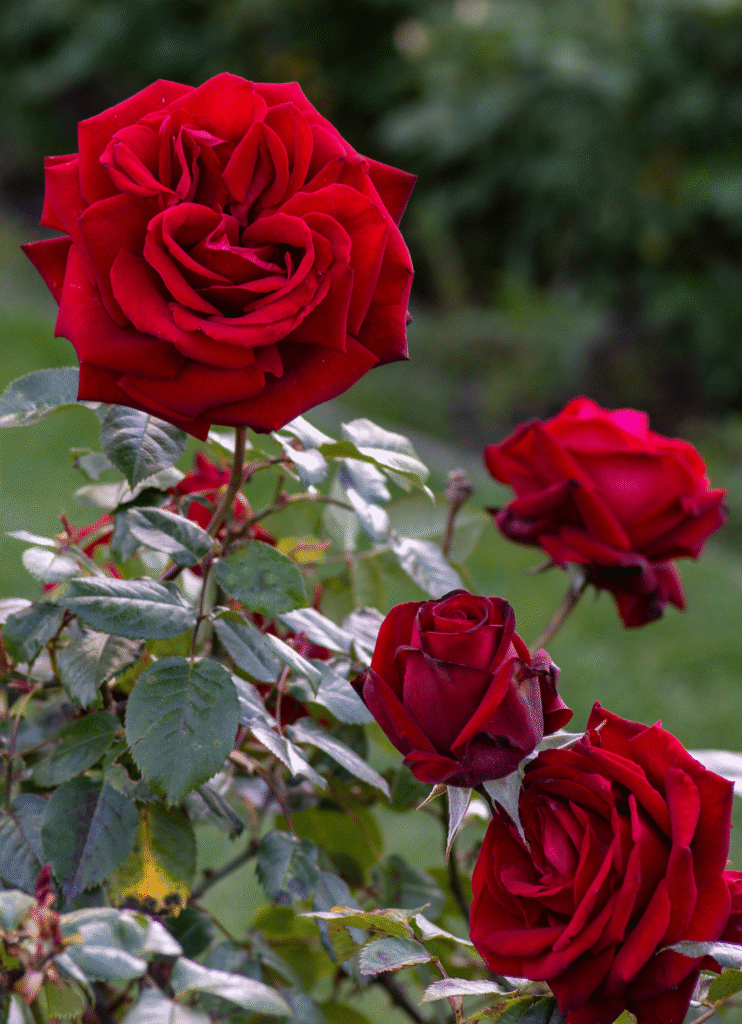
If you picture the iconic single rose—tall, elegant, with a perfectly spiraled bloom—you’re imagining a hybrid tea. These are the roses used in bouquets, weddings, and Valentine’s Day gifts, and they’re beloved for their showpiece blooms.
What Makes Hybrid Teas Special
Hybrid teas produce one large flower per long stem, making them the most prized for cutting. They come in an enormous range of colors from deep reds to dreamy lavender and bi-tones. Many varieties have a classic rose fragrance, though some modern ones prioritize form and color over scent.
Best For:
Gardeners who want traditional beauty, cut flowers, and a focal-point plant.
Care Tips:
- Plant in full sun
- Protect from black spot with good airflow
- Deadhead spent blooms to encourage repeat flowering
Popular Examples:
‘Peace’, ‘Mr. Lincoln’, ‘Double Delight’, ‘Chrysler Imperial’
Floribunda Roses: Blooms in Abundant Clusters
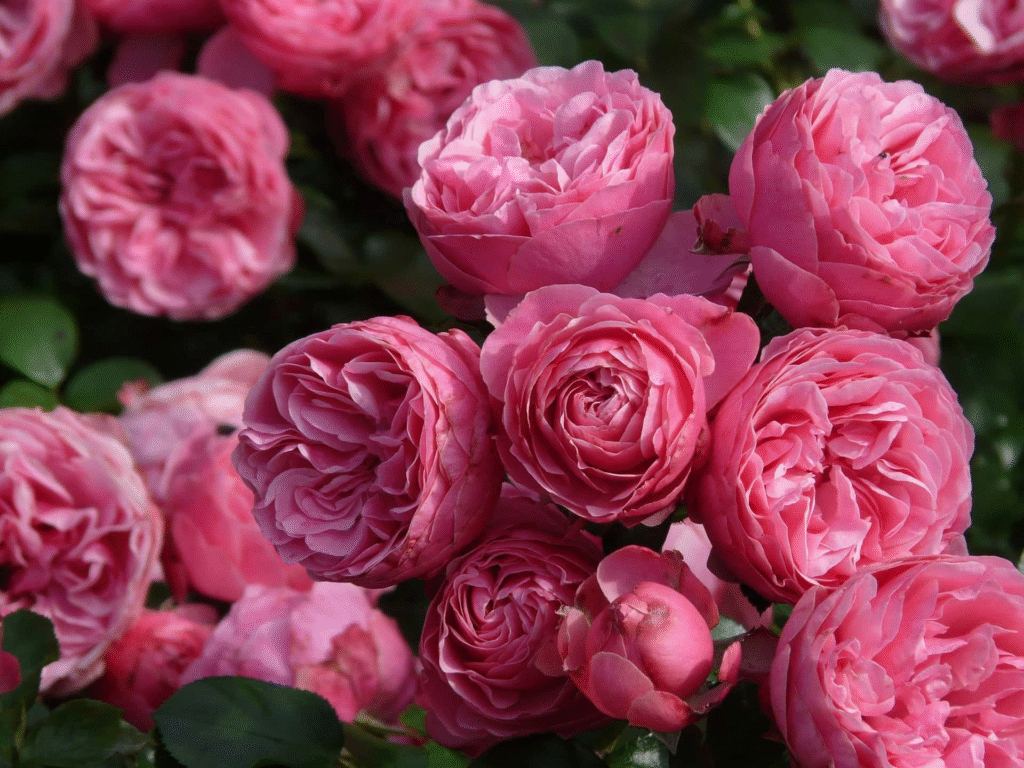
Floribunda roses are the crowd-pleasers—compact, hardy, and full of life. Instead of one flower per stem, floribundas produce large clusters, giving gardens a steady, colorful display from spring to fall.
What Makes Floribundas Special
Floribundas bloom more prolifically than hybrid teas and tend to be lower maintenance. Their bushy, compact form makes them ideal for borders, pathways, and small gardens. Many are disease-resistant and thrive with minimal fuss.
Best For:
Beginners, busy gardeners, and anyone who wants a long season of color.
Care Tips:
- Water consistently for continuous blooming
- Light pruning keeps bushes tidy
- Great in containers with enough sunlight
Popular Examples:
‘Icesberg’, ‘Julia Child’, ‘Honey Perfume’, ‘Trumpeter’
Grandiflora Roses: The Best of Both Worlds

Grandifloras were created by crossing hybrid teas with floribundas—so they essentially mix the elegance of hybrid teas with the clustering habit of floribundas.
What Makes Grandifloras Special
Grandifloras produce large, hybrid-tea-style blooms but often on tall, vigorous plants. The flowers may appear singly or in small clusters. They make an excellent choice if you want a statement shrub with elegant blooms.
Best For:
Gardeners who want big roses on big bushes—perfect for back-of-bed plantings.
Care Tips:
- Provide room to grow; many reach 5–7 feet
- Prune in early spring for shape and structure
- Full sun encourages strong growth
Popular Examples:
‘Queen Elizabeth’, ‘Gold Medal’, ‘Rocket Queen’
Climbing Roses: Vertical Romance
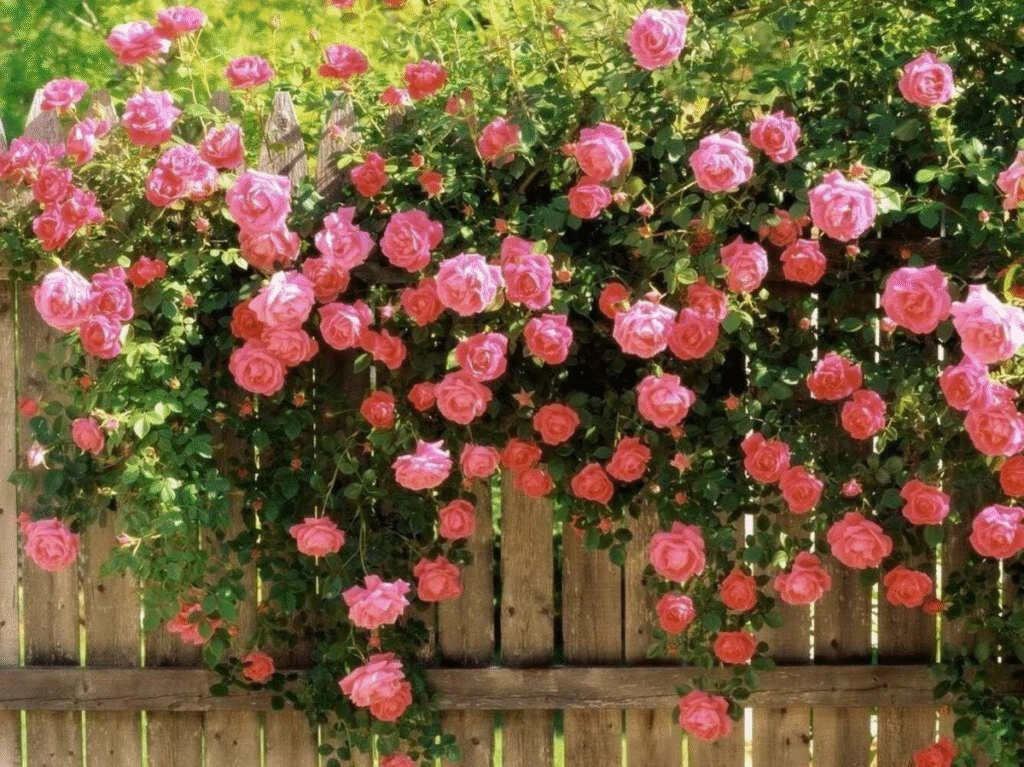
Climbing roses (“climbers”) don’t actually climb on their own—they rely on you to tie or train their long, flexible canes. But once in place, they transform walls, arches, fences, pergolas, and trellises into show-stopping floral displays.
What Makes Climbers Special
Climbers produce long, arching canes that can reach 8–20 feet. Depending on the variety, blooms may appear in flushes throughout the season or in one huge spring show. They offer one of the most romantic looks in the rose world.
Best For:
Gardeners who want vertical drama or want to disguise walls and fences.
Care Tips:
- Train canes horizontally for more blooms
- Prune lightly; avoid cutting main canes unless necessary
- Choose varieties suited to your climate
Popular Examples:
‘New Dawn’, ‘Don Juan’, ‘Eden’, ‘Climbing Iceberg’
Shrub Roses: Reliable, Low-Maintenance Garden Workhorses

Shrub roses are the “easygoing” category—tough, disease-resistant, and great for landscaping. They include both modern shrubs and classic English roses bred by David Austin.
What Makes Shrub Roses Special
Shrub roses offer a natural, bushy form and tend to be hardier than hybrid teas. Many varieties are fragrant, repeat bloomers, and perfect for hedges or mass plantings. English roses from David Austin are especially popular for their full, romantic petals and strong fragrance.
Best For:
Beginners, low-maintenance gardens, cottage-style landscapes, and hedging.
Care Tips:
- Plant in groups of three for full, lush impact
- Prune to shape, not for strict formality
- Choose disease-resistant varieties to reduce spraying
Popular Examples:
‘Graham Thomas’, ‘Princess Alexandra of Kent’, ‘Knock Out Rose’, ‘Olivia Rose Austin’
Groundcover Roses: Carpet-Like Color with Minimal Effort
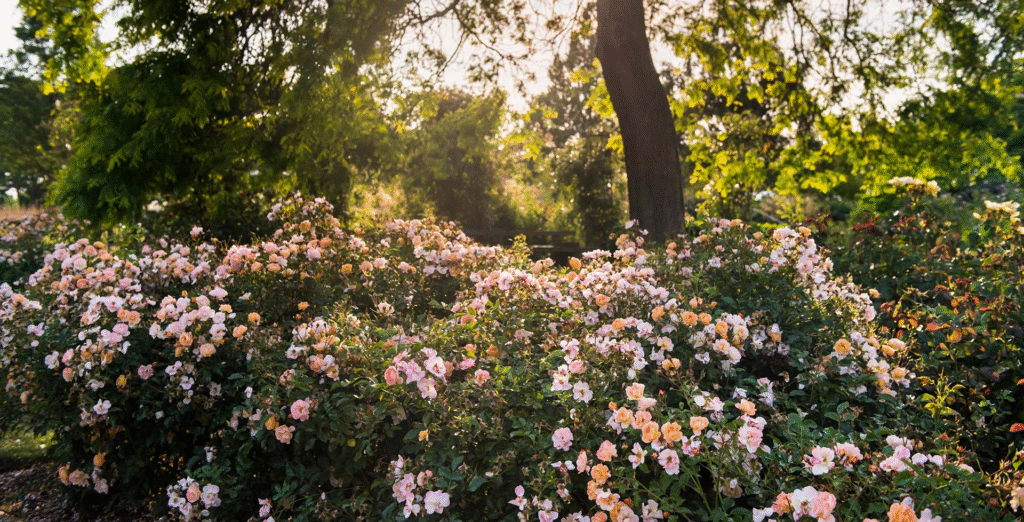
Groundcover roses (also called “landscape roses”) are low-growing, spreading varieties designed for effortless color. They form dense mats that suppress weeds and bloom continuously.
What Makes Groundcover Roses Special
These roses require very little pruning and offer exceptional disease resistance. They’re ideal for slopes, borders, and large areas that need low-maintenance coverage.
Best For:
Busy gardeners, large landscapes, urban gardens, and public spaces.
Care Tips:
- Plant in full sun
- Water well during establishment
- Trim lightly once a year
Popular Examples:
‘Flower Carpet Pink’, ‘Drift Roses’, ‘The Fairy’
Old Garden Roses: Fragrance, History, and Romantic Shapes
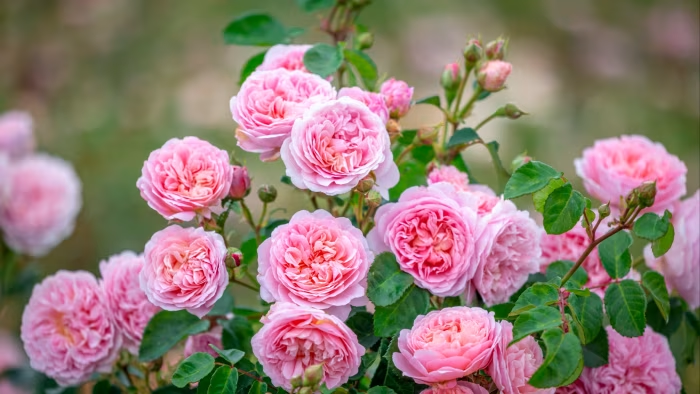
Old garden roses (OGRs) date from before 1867 and include famous groups like Damask, Bourbon, Gallica, and Alba roses. These varieties are cherished for their exceptional fragrance and nostalgic forms.
What Makes Old Garden Roses Special
They possess strong, complex scents that modern roses rarely match. Many bloom once in late spring or early summer but do so spectacularly. Their full, ruffled petals evoke classic cottage gardens and historical estates.
Best For:
Romantics, fragrance lovers, and heritage-style gardens.
Care Tips:
- Minimal pruning—OGR roses don’t like hard cuts
- Many tolerate partial shade better than modern roses
- Grow in moist, well-drained soil
Popular Examples:
‘Madame Hardy’, ‘Fantin-Latour’, ‘Rosa Mundi’, ‘Celsiana’
Miniature Roses: Petite, Perfect, and Great for Indoor Spaces
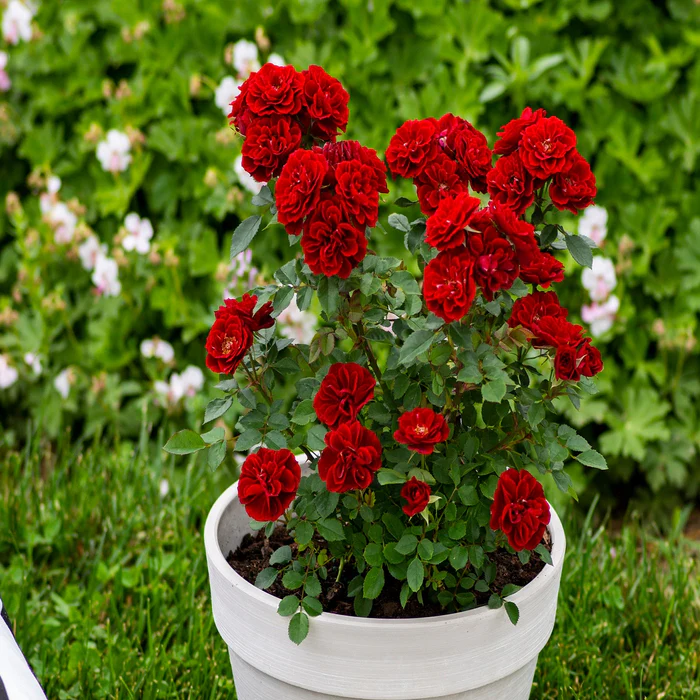
Miniature roses are exactly what they sound like—tiny versions of full-sized roses, usually under 18 inches tall. But don’t be fooled by their size; they are tough and prolific bloomers.
What Makes Miniature Roses Special
Miniatures produce perfectly formed mini blossoms and are ideal for containers, balconies, and small gardens. They’re also excellent for edging and gift-giving.
Best For:
Small spaces, patios, beginners, and indoor decorative use.
Care Tips:
- Give bright light if grown indoors
- Keep soil lightly moist but not soggy
- Prune lightly to maintain shape
Popular Examples:
‘Bambino’, ‘Cinderella’, ‘Overnight Scentsation’
How to Choose the Right Rose for Your Garden
Here’s a simple way to narrow down your options:
Want long-stemmed roses for vases?
Go for hybrid teas or grandifloras.
Want continuous, low-maintenance blooms?
Choose floribundas or shrub roses.
Love romantic, full-petaled flowers with fragrance?
Try English roses or old garden roses.
Have walls, fences, or arches to cover?
Pick climbing roses.
Need groundcover or low-maintenance landscaping?
Choose carpet or drift roses.
Limited on space?
Miniature roses are your best friend.
Basic Care Tips for All Roses
No matter which type you choose, these universal rules will help your roses thrive:
- Plant in at least 6 hours of sunlight
- Use well-drained soil enriched with compost
- Water deeply (not frequently) at the base
- Mulch to retain moisture and reduce weeds
- Prune in early spring to remove dead or damaged wood
- Feed with a balanced rose fertilizer during the growing season
- Ensure good air circulation to prevent disease
Healthy roses reward you with more blooms, stronger fragrance, and vibrant foliage.
Final Thoughts: Your Rose Garden Starts Here
Understanding rose varieties is the key to choosing flowers that fit your style, climate, and level of care. Whether you want the classic elegance of hybrid teas, the abundant clusters of floribundas, the vertical drama of climbers, or the tough resilience of shrub roses, there’s a rose for every gardener.
Start with one or two types that match your space and aesthetic, give them plenty of sunshine and care, and your garden will soon be filled with color, scent, and the timeless charm only roses can bring.
Comments
2 responses
[…] flowers mature, pigment levels shift, causing colors to fade or deepen. Roses often darken as petals age, while morning glories lighten as the day […]
[…] your vanity is filled with perfumes that smell like rose, jasmine, or peony — think Chanel Chance Eau Tendre, Dior J’adore, or Byredo Rose of No Man’s […]