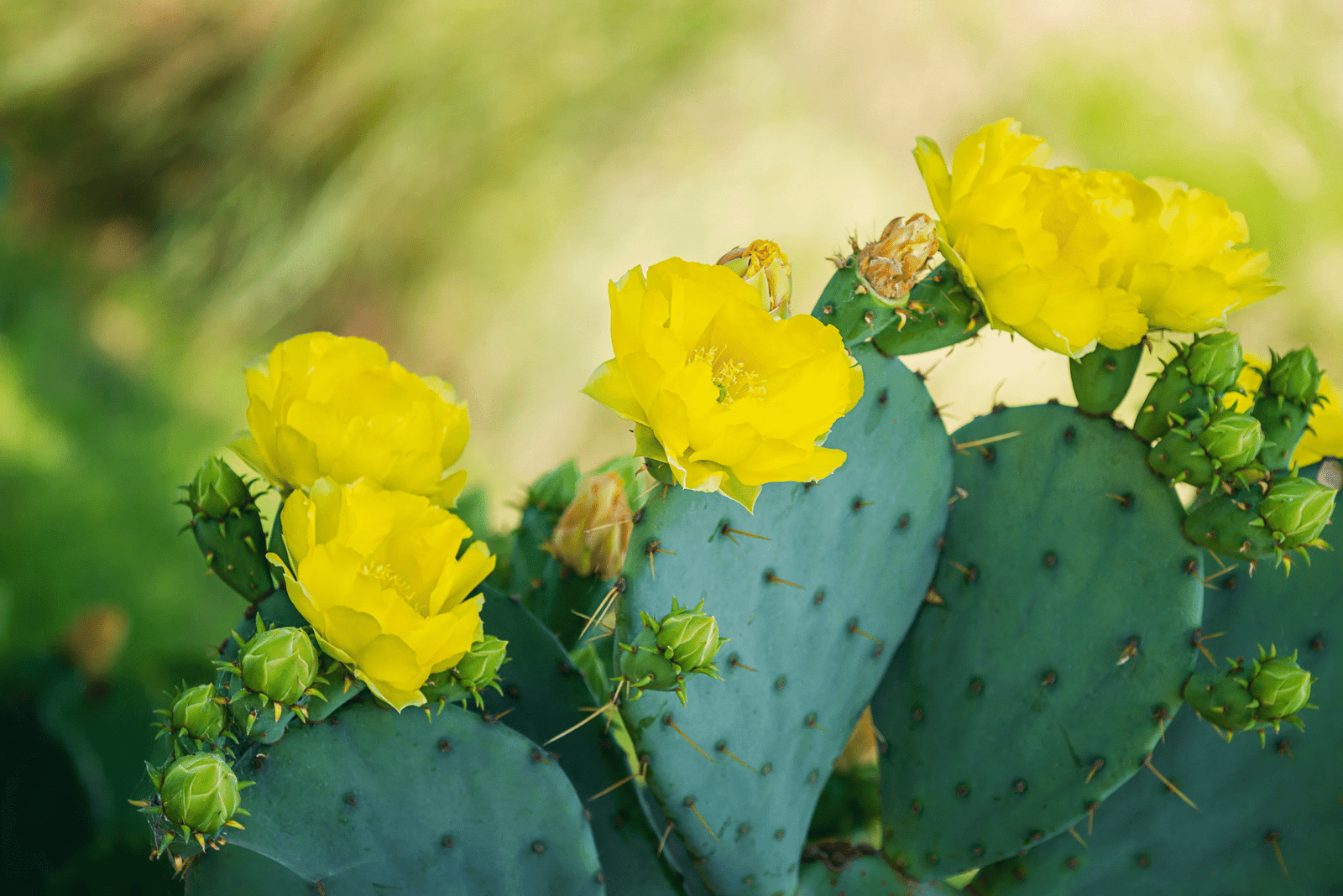
Deserts might look barren at first glance, but look closer and you’ll discover some of the toughest, most spectacular flowers on Earth. These blooms don’t simply survive the heat—they thrive in it. Through incredible adaptations, desert flowers manage blazing sun, scorching temperatures, low rainfall, and nutrient-poor soil. Some store water in fleshy leaves, others bloom only after rare rainfall, and a few open their petals only at night to escape the heat.
For gardeners attracted to drought-tolerant plants or travelers fascinated by desert ecosystems, desert flowers offer a fascinating glimpse into nature’s resilience. This guide explores the most iconic, hardy, and beautiful desert flowers that flourish where most plants would quickly wither.
Why Desert Flowers Are So Remarkable
Desert flowers endure conditions that would kill most garden plants within days. These flowers grow in regions with intense heat, strong sunlight, sandy or rocky soil, and little water. Yet, instead of struggling, they have evolved brilliant survival mechanisms—deep root systems, waxy leaves, heat-reflective surfaces, and seeds that can lay dormant for years until the perfect conditions arrive.
Understanding these adaptations helps gardeners choose heat-tolerant flowers that can flourish even in drought-prone urban environments. It also deepens appreciation for the complexity of desert landscapes, which are far richer and more biodiverse than they appear.
1. Desert Marigold (Baileya multiradiata)
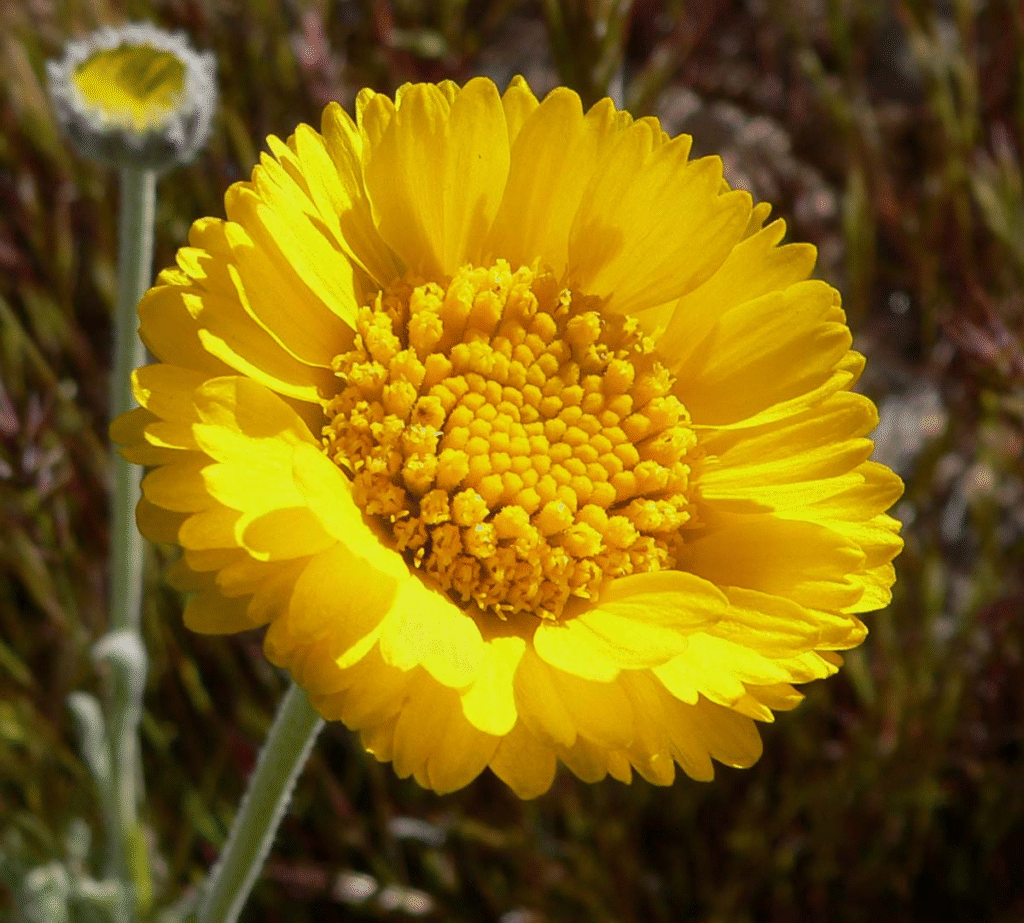
One of the brightest and most cheerful desert flowers, the desert marigold thrives in full sun and extreme temperatures. With its golden-yellow daisy-like blooms, it brightens arid landscapes across the American Southwest. It blooms almost year-round with minimal water, making it a favorite in xeriscape gardens.
The plant’s silvery foliage reflects sunlight, keeping it cool during scorching desert afternoons. Desert marigolds provide important nectar for bees and butterflies, proving that even in the harshest regions, life continues to flourish.
2. Desert Lily (Hesperocallis undulata)
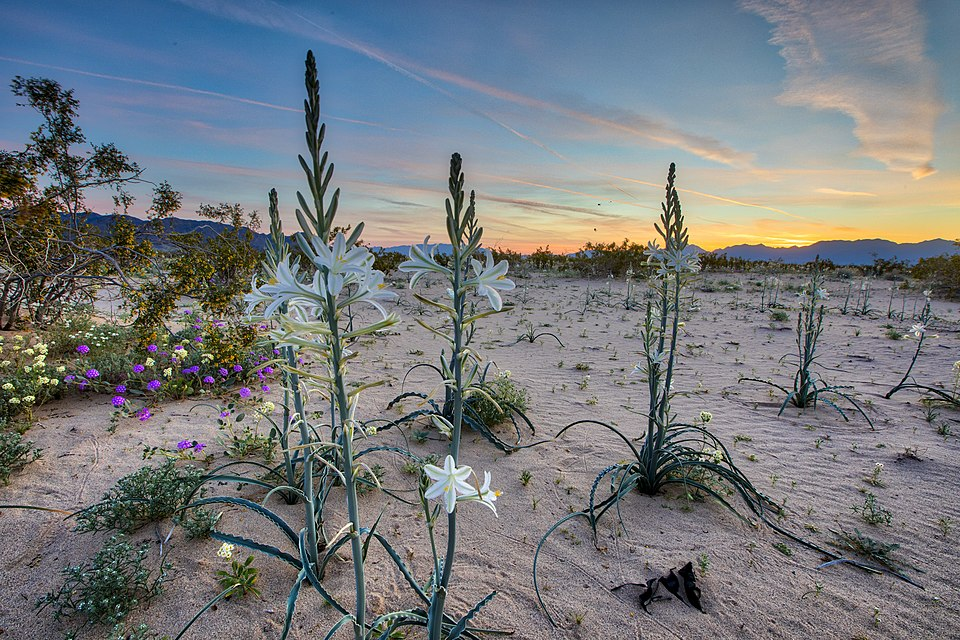
Despite its name, the desert lily isn’t a true lily, but its large white blooms resemble elegant Easter lilies rising from the sand. This iconic flower is found in the Mojave and Sonoran deserts, often emerging from barren landscapes after winter rains.
Its bulb stores water underground, allowing the plant to bloom even after long dry periods. The fragrant flowers attract pollinators such as hawk moths, which play a crucial role in desert ecosystems. Because the desert lily is slow-growing and sensitive to disturbance, spotting one in the wild is a rare and magical experience.
3. Prickly Pear Cactus Flower (Opuntia spp.)
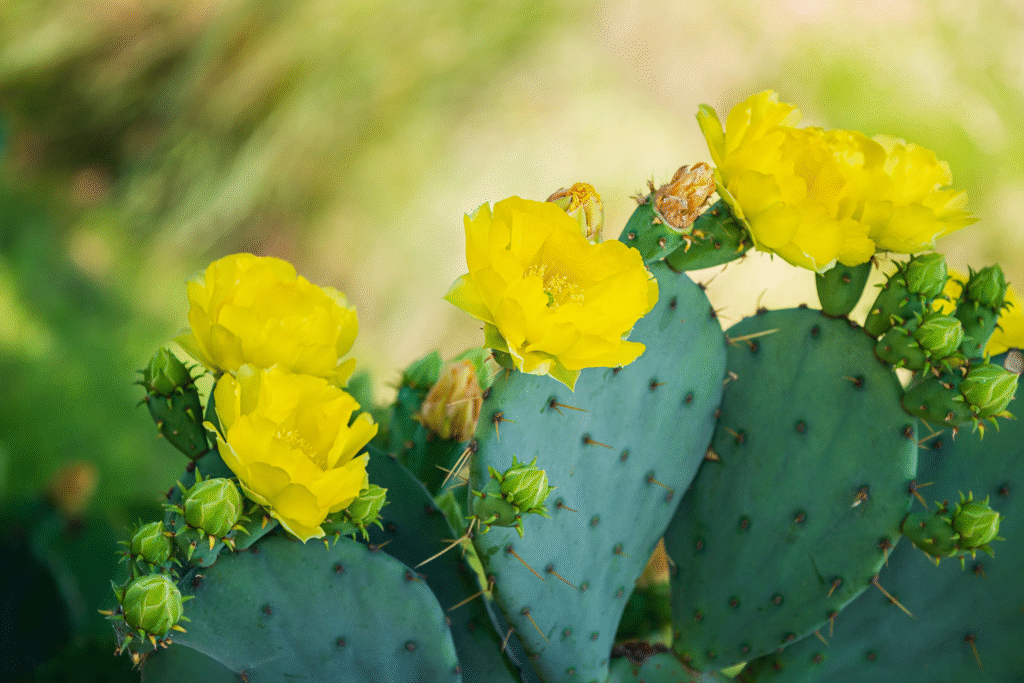
Prickly pear cactus flowers are some of the most vibrant in the desert. They bloom in brilliant shades of yellow, orange, red, and pink, often transforming cactus pads into bursts of tropical color.
These flowers have adapted thick petals that retain moisture and withstand direct sun exposure. After blooming, the plant produces edible fruits known as “tunas,” which have long been used in Indigenous cuisine. Their ability to bloom in extreme heat makes prickly pear flowers icons of desert resilience.
4. Globe Mallow (Sphaeralcea ambigua)
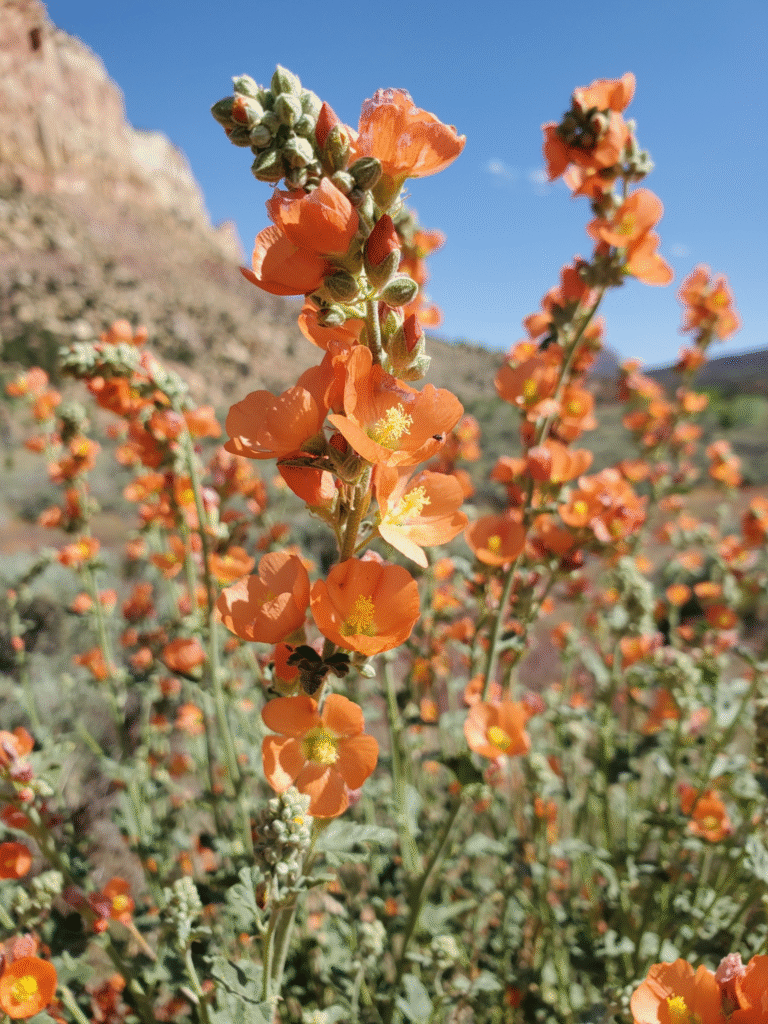
Globe mallow is beloved for its papery, cup-shaped flowers that range from apricot to pink to lavender. It grows in dry plains and rocky slopes, thriving on minimal water and intense sunlight.
Its fuzzy leaves help reduce moisture loss, while its deep roots help the plant survive prolonged droughts. Because of its long blooming season and ability to attract pollinators, globe mallow is a valuable plant for restoring desert habitats and creating wildlife-friendly gardens.
5. Desert Five-Spot (Eremalche rotundifolia)
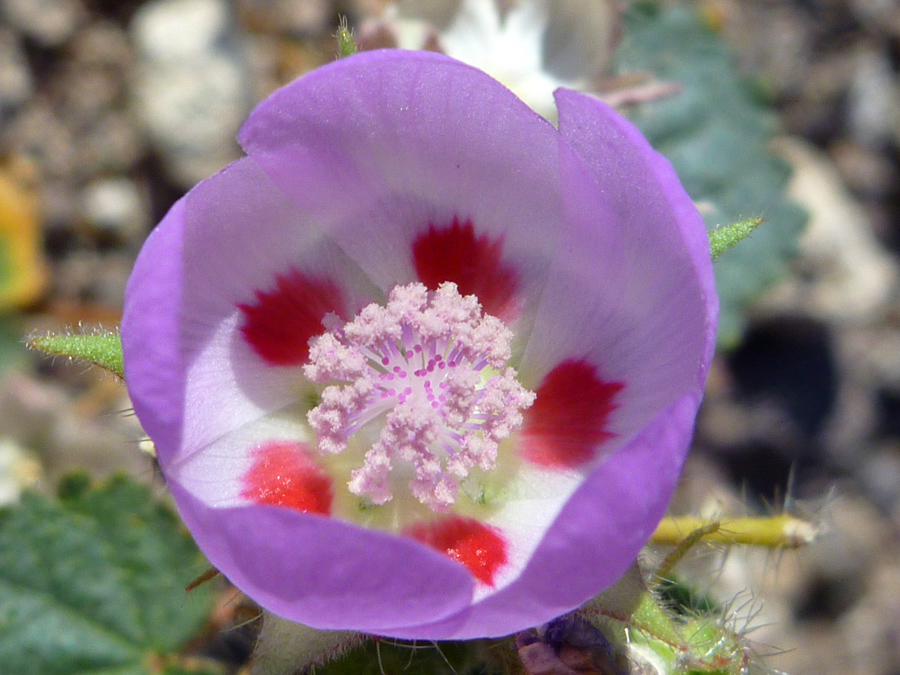
One of the most charming wildflowers in the American Southwest, the desert five-spot features soft pink petals each marked with a deep crimson dot. When the flower opens fully, the five spots create a striking pattern, almost like a hand-painted ornament.
This annual wildflower blooms after rare desert rains and can cover entire fields in years of abundant moisture. Its seeds remain dormant for long periods, waiting patiently for the perfect conditions—a testament to nature’s ability to endure extremes.
6. Mojave Aster (Xylorhiza tortifolia)
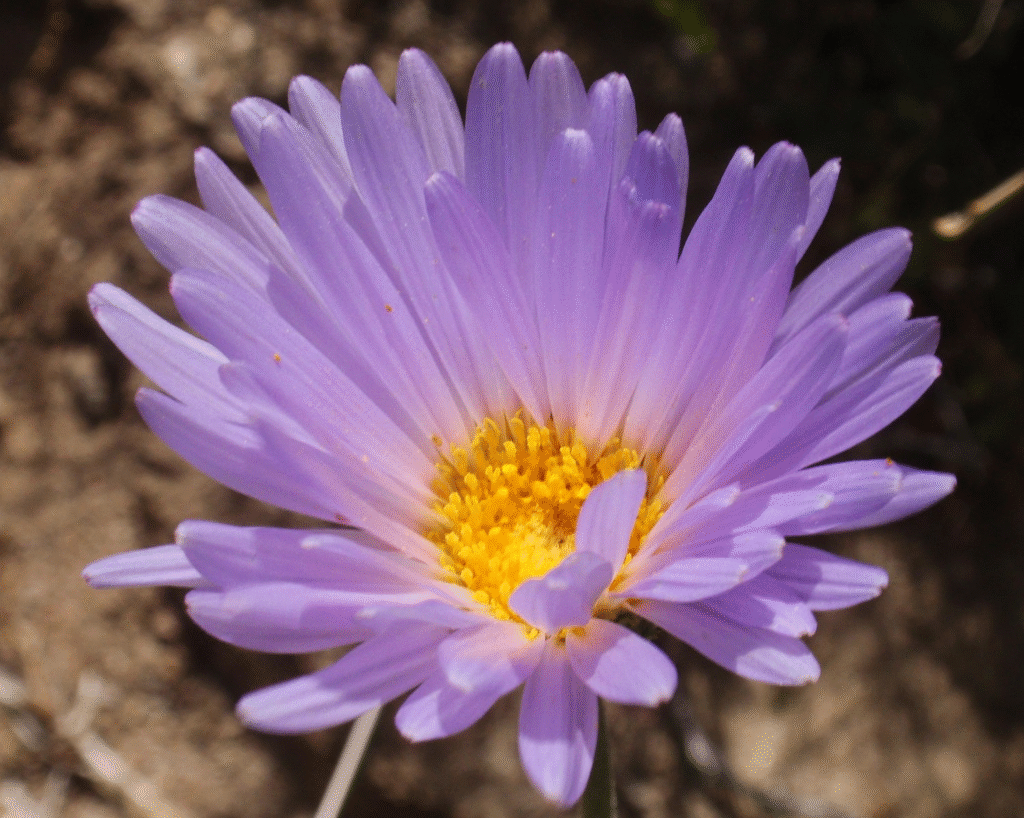
The Mojave aster grows in tough, rocky terrain yet produces delicate lavender-purple flowers with bright yellow centers. This beautiful contrast between harsh habitat and soft blooms makes it a favorite among photographers and botanists.
It blooms for long periods and is highly heat-tolerant. Mojave asters attract butterflies and small insects, playing an important role in desert pollination networks.
7. Mexican Sunflower (Tithonia diversifolia)
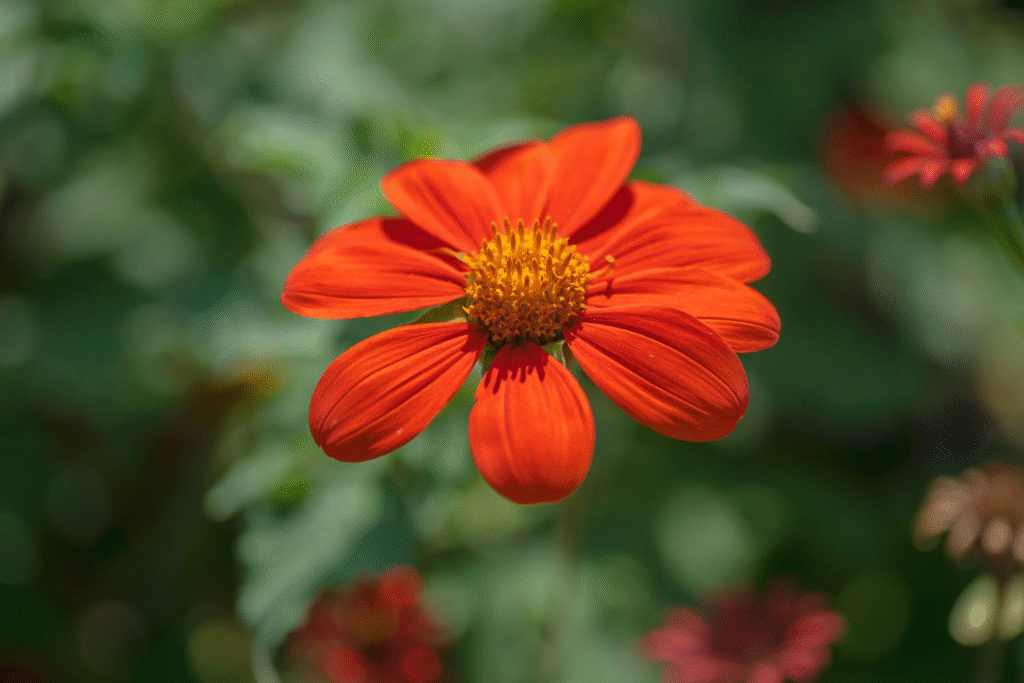
The Mexican sunflower withstands soaring temperatures and poor soils with ease. Its fiery orange petals and tall stems create a dramatic display in hot climates.
Gardeners love this plant because it thrives in neglected areas, requires very little water, and attracts butterflies—especially monarchs. Though originally from Mexico and Central America, the Mexican sunflower performs equally well in dry, desert-like environments worldwide.
8. Verbena (Glandularia gooddingii)
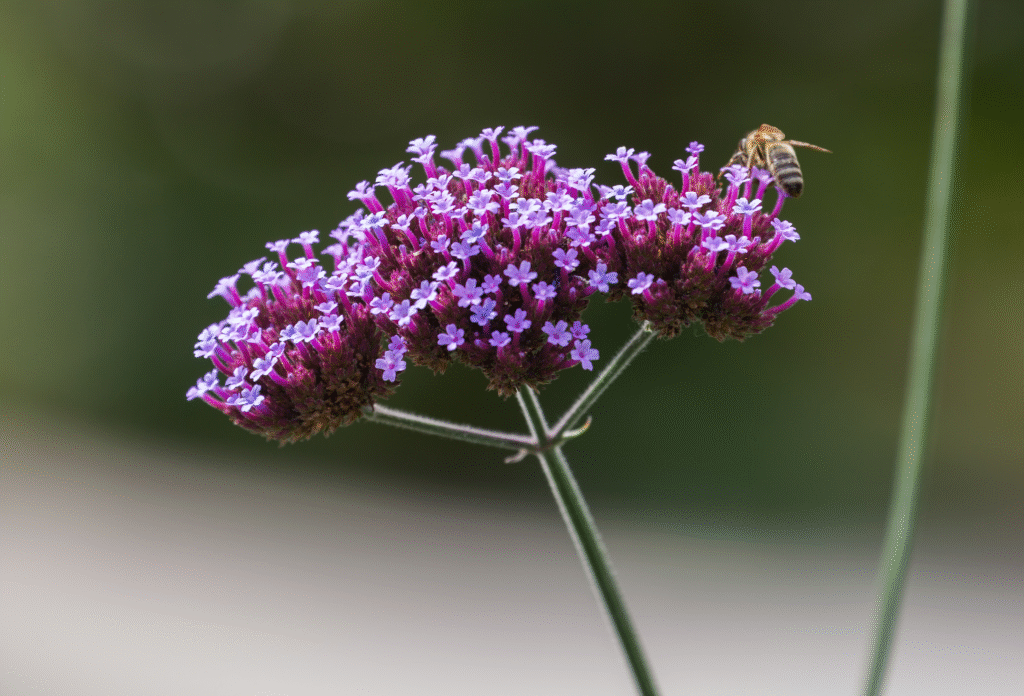
Desert verbena produces clusters of small purple, pink, or lavender blooms that spread like a colorful carpet across sandy landscapes. It grows low to the ground, helping it conserve moisture and avoid wind damage. Verbena blooms heavily after seasonal rains and often appears in desert “super bloom” events.
Its bright color attracts bees, butterflies, and hummingbirds, making it a key contributor to pollinator activity in arid regions.
9. Desert Willow Flower (Chilopsis linearis)
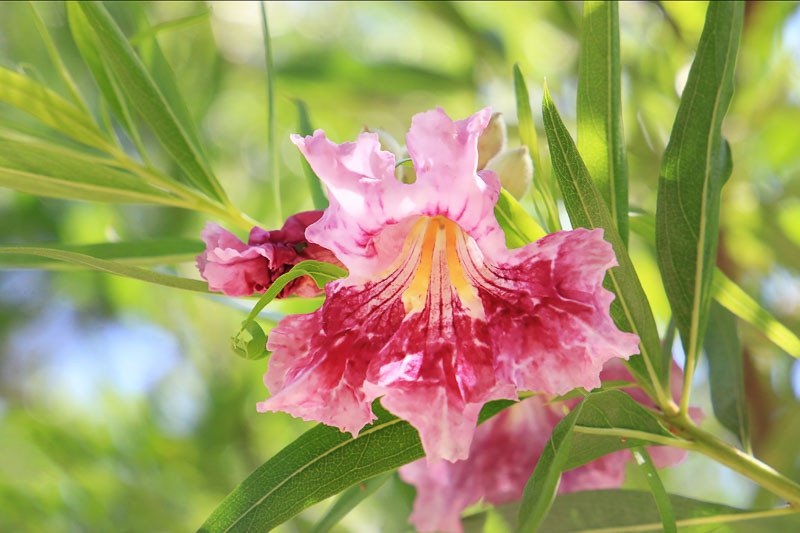
The desert willow is a small tree that produces trumpet-shaped blooms resembling those of tropical orchids. The flowers come in shades of pink, lavender, and white and are highly fragrant.
What makes the desert willow unique is its extreme drought tolerance combined with surprisingly lush floral displays. Its long, narrow leaves reduce water loss, while its deep root system allows it to survive multi-month dry spells. The flowers attract hummingbirds, making it a beautiful focal point in desert gardens.
10. Evening Primrose (Oenothera caespitosa)
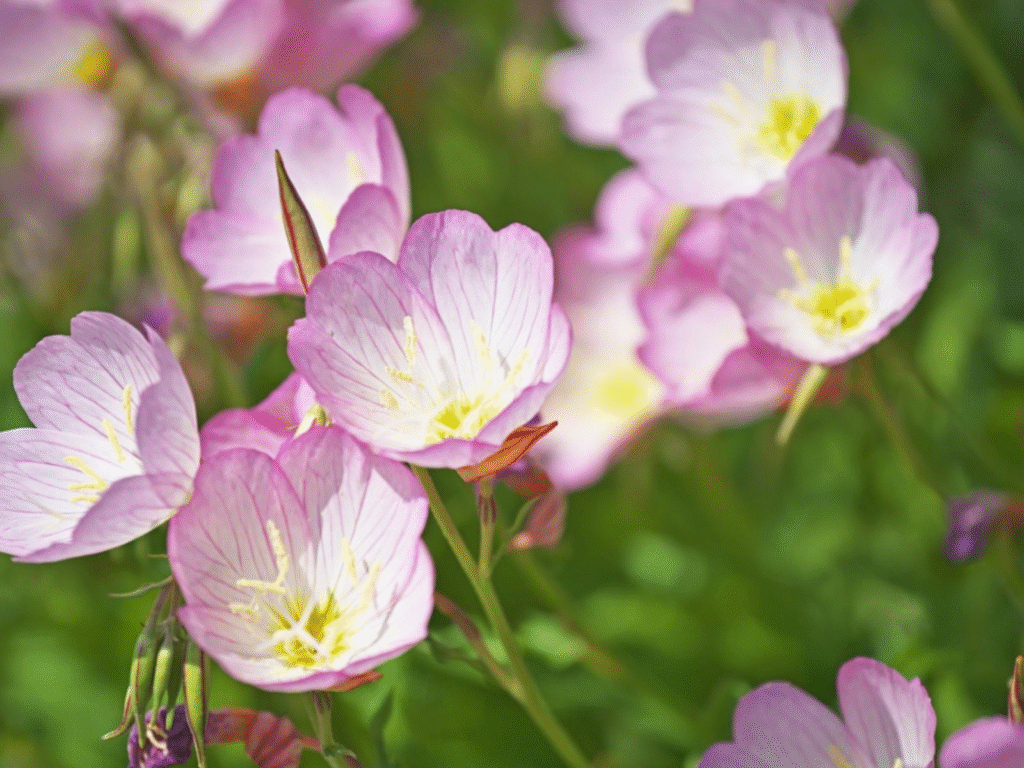
Many desert plants bloom at night, and the evening primrose is one of the most enchanting examples. Its large flowers open only after sunset, releasing a sweet fragrance that attracts night pollinators like moths.
By blooming at night, the plant avoids the harsh daytime sun and conserves water. In the morning, the petals turn a soft pink before closing—an elegant daily transformation that makes this flower truly special.
How Desert Flowers Survive Extreme Heat
Desert flowers owe their survival to incredible evolutionary adaptations. Many have waxy coatings that reduce water loss, while others grow hair-like structures to shade the surface of the plant. Deep taproots draw water from far below the soil, and some flowers complete their entire life cycle within a few weeks after rainfall.
Some species bloom only during brief seasonal windows, ensuring they use just the right amount of energy. Others protect themselves with spines or compounds that deter herbivores. Every adaptation reflects a remarkable story of survival.
Growing Desert Flowers at Home
You don’t need to live in the desert to grow desert-adapted flowers. Many species make excellent additions to drought-tolerant and low-maintenance gardens. They are ideal for hot climates or homeowners who want beautiful gardens without excessive watering.
To grow desert flowers successfully:
- Choose varieties suited to your climate.
- Provide well-draining soil—sandy mixes work best.
- Limit watering to mimic natural drought cycles.
- Plant in full sun for maximum blooms.
- Avoid over-fertilizing since desert plants prefer poor soil.
Desert flowers can even thrive in containers, making them suitable for patios, balconies, and small urban spaces.
Why Desert Flowers Matter
Beyond their beauty, desert flowers are vital to fragile ecosystems. They provide food and shelter for insects, birds, and mammals. Many species are crucial for pollinator survival in dry climates. Desert blooms also play a major role in soil stabilization, preventing erosion in windy, sandy landscapes.
They also serve as reminders that beauty does not require perfect conditions. Some of the world’s most breathtaking flowers were shaped not by abundance, but by adversity.
Final Thoughts: Beauty Born from Harsh Conditions
Desert flowers prove that life can thrive in even the most extreme environments. Their brilliance lies in resilience—soft petals growing under a blazing sun, vibrant colors appearing after months of drought, and delicate blooms rising from cracked, dry earth. Whether you’re a gardener seeking drought-resistant plants or a traveler fascinated by desert landscapes, appreciating these flowers offers a profound lesson in adaptation and endurance.
Leave a Reply