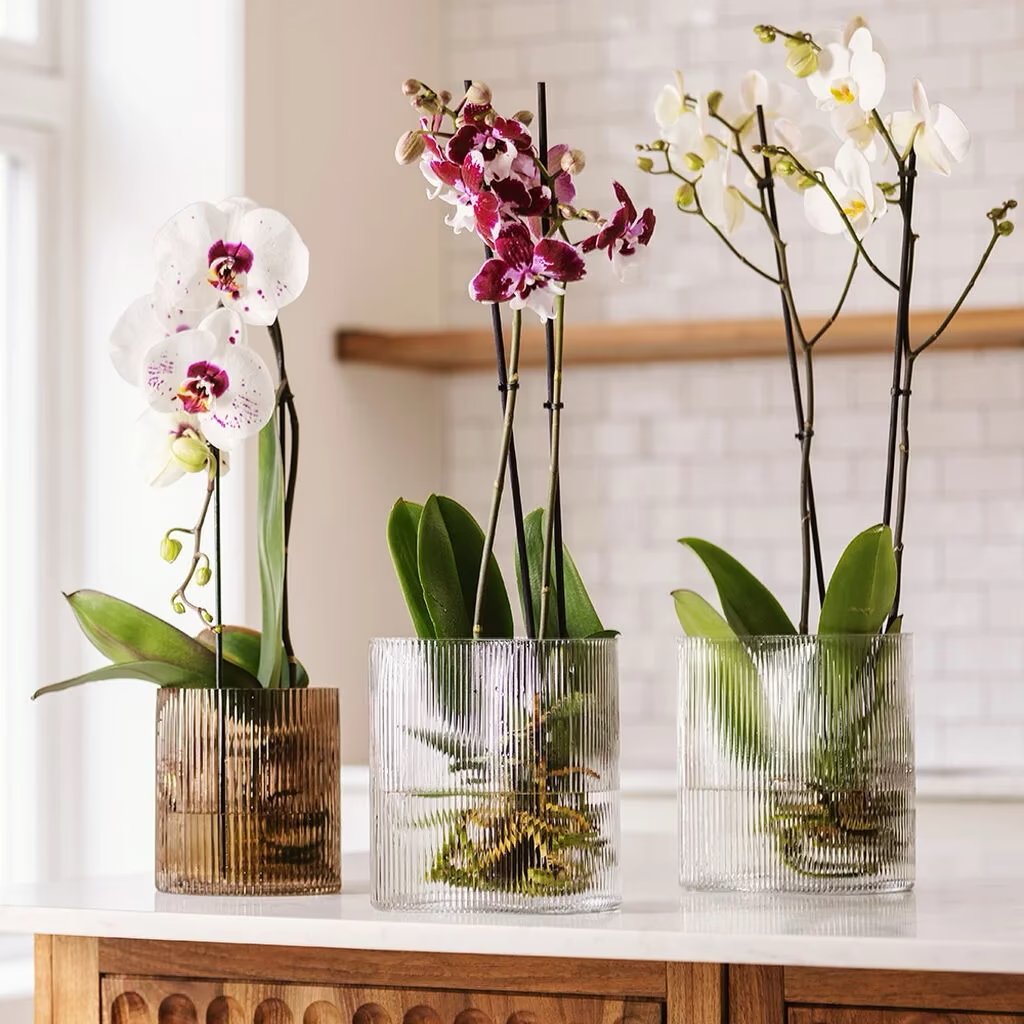
Orchids are among the most captivating and exotic flowers in the plant world. Their striking blooms, vibrant colors, and elegant forms have fascinated gardeners for centuries. While orchids have a reputation for being difficult to grow, many varieties are surprisingly beginner-friendly once you understand their basic needs. Whether you’ve just brought home your first orchid or you’re considering expanding your indoor garden, this guide will walk you through the easiest orchid types, ideal growing conditions, and simple maintenance tips to help your plants thrive.
Why Orchids Are Worth Growing
Orchids are more than just beautiful; they are long-lasting houseplants that can bloom for months at a time when properly cared for. Unlike many flowering plants, orchids don’t need to be replaced seasonally—most varieties bloom once or twice a year, and some even produce multiple bloom spikes. Once you learn their rhythm, orchids become one of the most rewarding indoor plants for beginners. They add elegance to home interiors, improve air quality, and offer a sense of accomplishment when those long-awaited blooms appear.
Beginner-Friendly Orchid Types
Because the orchid family contains over 25,000 species, choosing the right one can feel overwhelming. Fortunately, a handful of varieties are perfect for beginners due to their resilience, adaptable nature, and forgiving care requirements.
Phalaenopsis (Moth Orchids)

Phalaenopsis is the most common and beginner-friendly orchid. Its long arching stems and broad petals resemble fluttering moths—hence the name. These orchids thrive in indoor environments because they tolerate low light, inconsistent watering, and household temperatures. Their blooms can last several months, and reblooming is relatively easy with the right care. For first-time orchid growers, Phalaenopsis is the ideal starting point.
Dendrobium Orchids

Dendrobiums offer taller canes and clusters of delicate blooms. They prefer bright, indirect light and slightly cooler nights but remain easy for beginners when placed near a bright window. Dendrobiums produce multiple flowers per cane and can rebloom annually. Their elegant appearance makes them a favorite for home décor.
Oncidium (Dancing Lady Orchids)
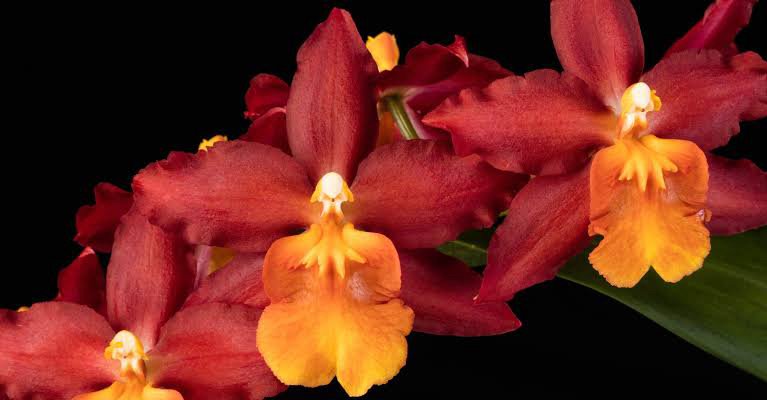
Oncidiums are known for their sprays of small, ruffled flowers that resemble dancing figures. They thrive in medium to bright light and prefer slightly more frequent watering than Phalaenopsis. Despite their delicate appearance, Oncidiums are hardy and adaptable, making them suitable for beginners who want a more dramatic floral display.
Cymbidium Orchids
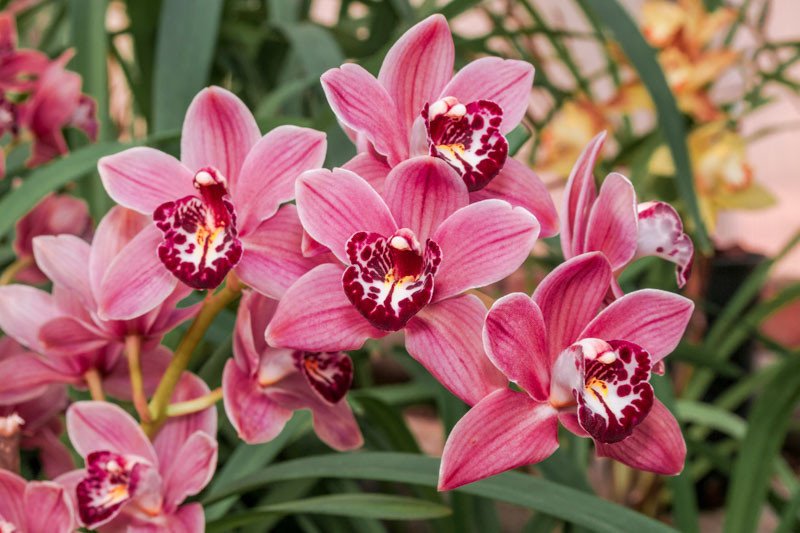
Cymbidiums are excellent choices for cooler climates. These orchids produce tall spikes filled with waxy, long-lasting blooms that are popular in floral arrangements. While they typically require brighter light and cooler winter temperatures to bloom, they are resilient plants that reward beginners with spectacular flowers once their needs are met.
Understanding Orchid Growing Conditions
Orchids may look exotic, but most indoor-friendly varieties are epiphytes—plants that naturally grow on trees rather than in soil. This unique origin explains many of their care requirements.
Light
Light is one of the most important factors in orchid growth. Most beginner varieties thrive in bright, indirect light. East-facing windows are ideal because they provide gentle morning sun without overheating the plant. If your orchid’s leaves turn dark green, it may need more light. Yellowing leaves or sunburn spots, on the other hand, indicate too much direct sunlight.
Temperature
Orchids enjoy temperatures similar to those in most homes. During the day, temperatures between 20–27°C (68–80°F) are ideal, with nighttime temperatures dropping about 5–10 degrees. These fluctuations help orchids signal seasonal changes and encourage blooming. Cymbidiums and Dendrobiums in particular benefit from cooler nights.
Humidity
Humidity is crucial for orchids, which naturally grow in tropical or cloud forest environments. Most orchids thrive with humidity levels between 40% and 70%. If your home is dry, especially during winter, consider placing orchids on a water-filled pebble tray or using a small humidifier. Even occasional misting can help keep the plant hydrated without soaking its roots.
Airflow
Good airflow prevents bacterial and fungal diseases. orchids benefit from gentle circulation, such as a ceiling fan on low or an open window (as long as there are no cold drafts). Avoid stagnant air and overcrowding plants on shelves—give your orchids room to breathe.
Watering Orchids the Right Way
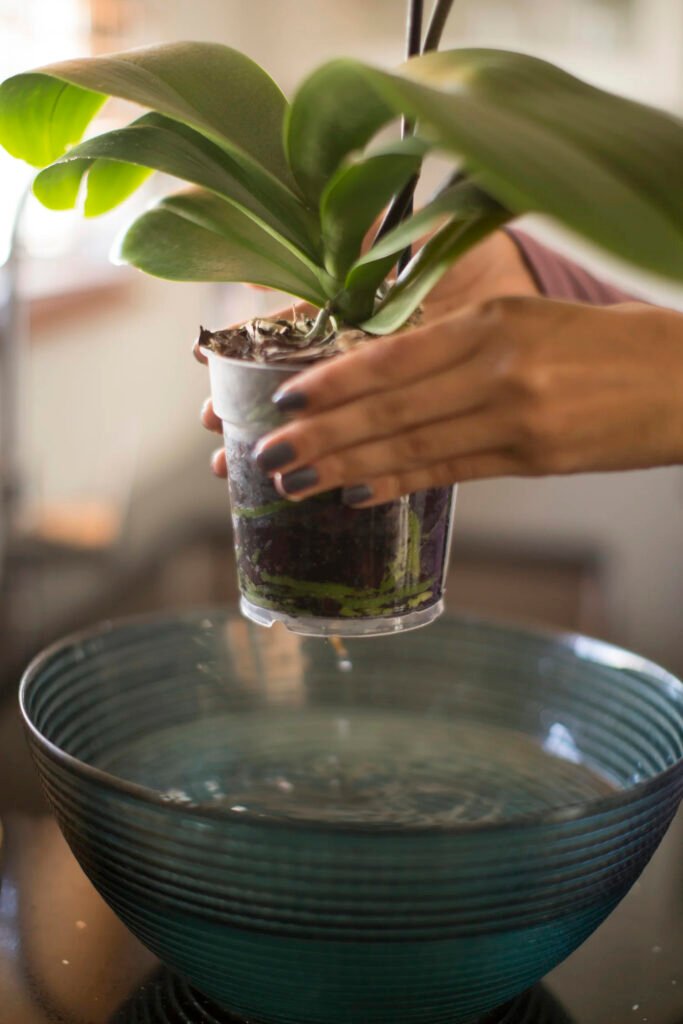
Watering is the biggest challenge for beginners, not because orchids need a lot of water, but because they dislike wet roots. Their thick roots absorb water quickly and prefer to dry slightly between waterings. Overwatering is the most common reason orchids fail.
Water your orchid only when the potting media feels dry halfway down. For bark-based mixes, this might be once a week; for moss-based mixes, every 10–14 days. When watering, thoroughly soak the pot and let excess water drain completely. Never let your orchid sit in standing water because it can cause root rot.
The clarity of the orchid roots can help you determine moisture levels. Healthy roots are firm and green when wet, and silvery-gray when dry. If roots appear brown or mushy, reduce watering and repot the orchid.
Choosing the Right Orchid Potting Mix

Because orchids do not grow in soil, using traditional potting soil is a guaranteed failure. Instead, choose a potting mix that provides airflow while supporting moisture retention. Most orchid mixes contain bark, perlite, charcoal, or sphagnum moss.
- Bark mixes dry quickly and are good for growers who tend to overwater.
- Moss mixes retain moisture and suit growers who forget to water often.
Repot orchids every 1–2 years, preferably after blooming, to refresh the mix and allow new roots to grow. Repotting also prevents compacted media, which restricts airflow.
Feeding Your Orchid for Healthy Growth
Orchids appreciate regular feeding during active growth seasons. Use a balanced orchid fertilizer diluted to half strength. The general rule is to fertilize “weakly, weekly.” Feeding every two to three weeks works well for most beginners. During winter or rest periods, reduce fertilizing and allow the orchid to conserve energy.
Encouraging Orchids to Rebloom
One of the most satisfying experiences for new orchid owners is getting their plant to rebloom. Once the original flowers fade, don’t assume the plant is done forever. Most orchids bloom once or twice a year under the right conditions.
Encouraging a new bloom spike requires the proper balance of light, temperature, and hydration. For Phalaenopsis orchids, cooler nighttime temperatures (around 16–18°C or 60–65°F) often trigger new spikes in autumn and winter. For Dendrobiums and Cymbidiums, bright light and seasonal changes help stimulate flowering. Patience is essential—some orchids take months to form and open their buds.
Common Orchid Problems and How to Avoid Them
Beginners may face a few challenges, but most issues are easily resolved once the underlying cause is identified.
- Yellowing leaves often indicate too much sunlight or overwatering.
- Soft, mushy roots suggest root rot from poor drainage or frequent watering.
- Wrinkled leaves signal dehydration, often caused by underwatering or damaged roots.
- Lack of blooms usually comes from insufficient light or incorrect temperature ranges.
- Pests such as scale, mealybugs, and fungus gnats occasionally appear, but they can be managed with neem oil, insecticidal soap, or careful cleaning.
Most importantly, orchids respond slowly. A change in conditions today may take weeks to reflect in growth or recovery, so patience is key.
Why Orchids Are Perfect for Beginners
Despite their mystique, orchids are one of the best plants for people new to indoor gardening. They thrive in indirect light, don’t require frequent watering, and offer months-long blooms that look far more high-maintenance than they truly are. Once you learn how to read the signs your orchid gives—root color, leaf texture, and moisture levels—you’ll find them far less intimidating.
Final Thoughts: Growing Orchids With Confidence
Orchids may look exotic and delicate, but many varieties are surprisingly easy to grow when given the right environment. By choosing beginner-friendly types like Phalaenopsis, Dendrobium, Oncidium, or Cymbidium, and following essential care guidelines, you’ll enjoy stunning blooms year after year. Understanding their needs—light, airflow, humidity, and proper potting medium—ensures your orchids stay healthy and resilient.
As your confidence grows, you may even find yourself expanding into rare or specialty orchids. But no matter where your orchid journey takes you, the beauty, elegance, and rewarding nature of these tropical blooms will always make them a joy to grow at home.
Leave a Reply