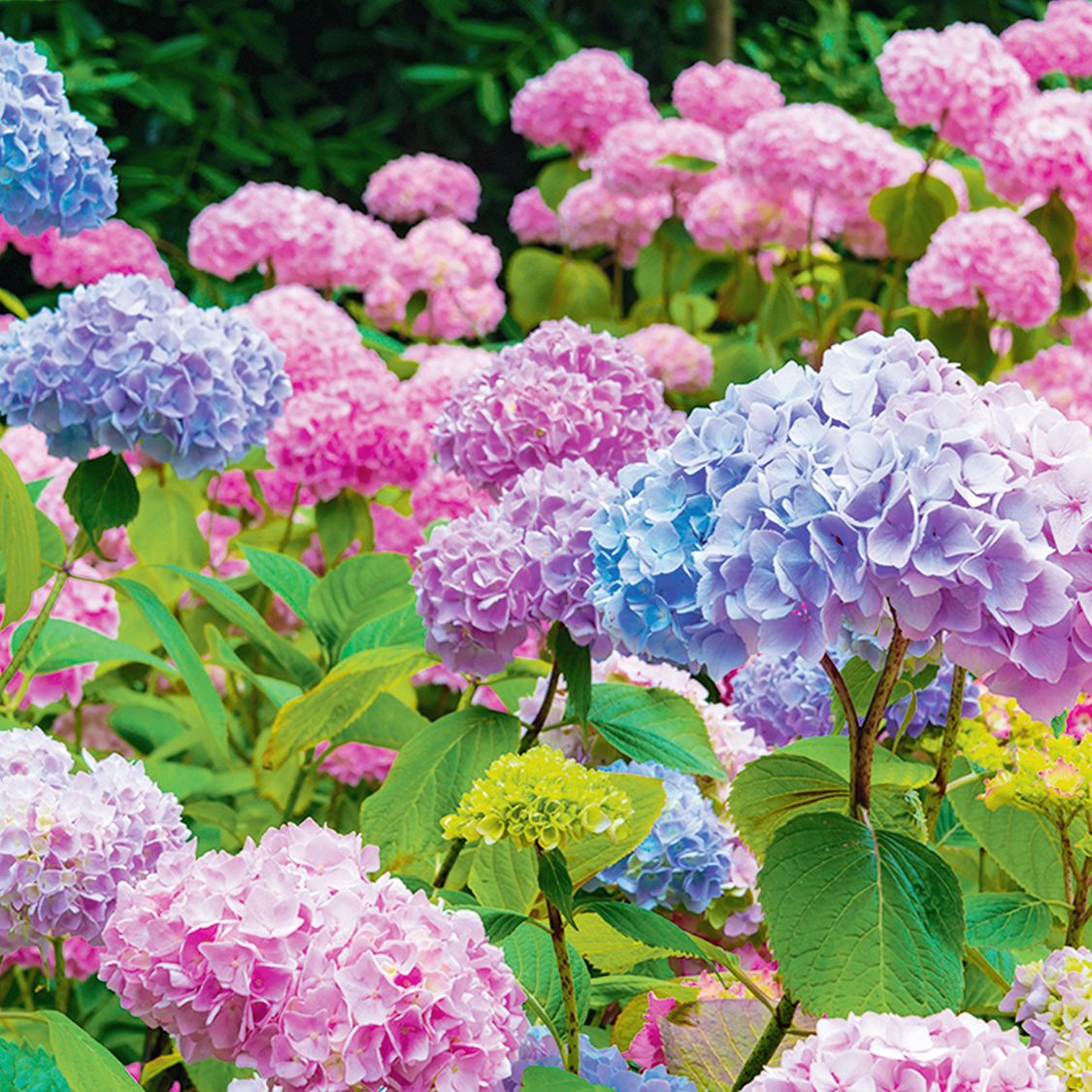
Flowers are full of surprises—fragrance variations, unique bloom shapes, seasonal shifts—but one of the most fascinating transformations happens when a flower changes color as it blooms. You may plant a pink hydrangea that turns blue, watch a morning glory go from purple to white in a single day, or see a hibiscus bloom in one shade and fade into another. These color shifts can feel almost magical, but they’re not random. They’re the result of intricate natural mechanisms that help flowers survive, attract pollinators, and adapt to their environment.
In this deep dive, we’ll explore why some flowers change color, the science behind the transition, and the flowers most famous for this enchanting trait. Whether you’re a home gardener, flower enthusiast, or simply curious about nature’s surprises, this guide will help you understand one of the plant world’s most beautiful mysteries.
Flowers Change Color for a Purpose
Flowers aren’t changing color just for aesthetics—they’re communicating. In nature, color is a powerful signaling tool. Flower color changes often indicate:
- Maturity
- Readiness for pollination
- Lack of nectar
- Environmental stress
- Soil chemistry changes
For pollinators, like bees and butterflies, these visual signals help them decide which flowers are worth visiting. For plants, this communication increases the chance of successful reproduction.
The Role of Pigments: Anthocyanins, Carotenoids & pH Levels
Flower colors come from three main pigments: anthocyanins, carotenoids, and betalains. In most color-changing flowers, anthocyanins are the star.
Anthocyanins
These pigments cause red, blue, purple, and pink shades. Their color shifts depending on pH levels inside the plant’s cells:
- Acidic pH = red
- Neutral pH = purple
- Alkaline pH = blue
A flower might start red in the bud stage when cells are more acidic and then turn purple or blue as internal chemistry changes.
Carotenoids
Responsible for yellow and orange shades, carotenoids also change over time, especially as flowers age.
Betalains
Found in fewer species, they create deep reds and yellows but generally don’t shift as dramatically.
The mixture and balance of these pigments change as flowers mature, triggering color transformations visible to the human eye.
Pollination Signals: The Plant’s Clever Strategy
One of the main reasons flowers change color is to communicate with pollinators. A flower that has already been pollinated wants to discourage further visits. A change in color acts like a natural “occupied” sign.
For example:
- Many flowers open white or pale to attract pollinators
- After pollination, they turn deeper or duller
- Bees quickly learn to avoid darker, older flowers with less nectar
This saves both the flower’s energy and the pollinator’s time, creating a mutually beneficial system.
Environmental Factors That Trigger Color Changes
Sometimes flowers shift color due to conditions in their surroundings, including:
1. Soil Acidity (Especially in Hydrangeas)
Hydrangeas are iconic for changing from pink to blue based on soil pH. Acidic soil with aluminum availability turns them blue; alkaline soil turns them pink.
2. Temperature & Light Exposure
Cooler nights intensify anthocyanin production, leading to richer colors. Too much heat can cause pigments to break down, fading flowers to lighter hues.
3. Aging
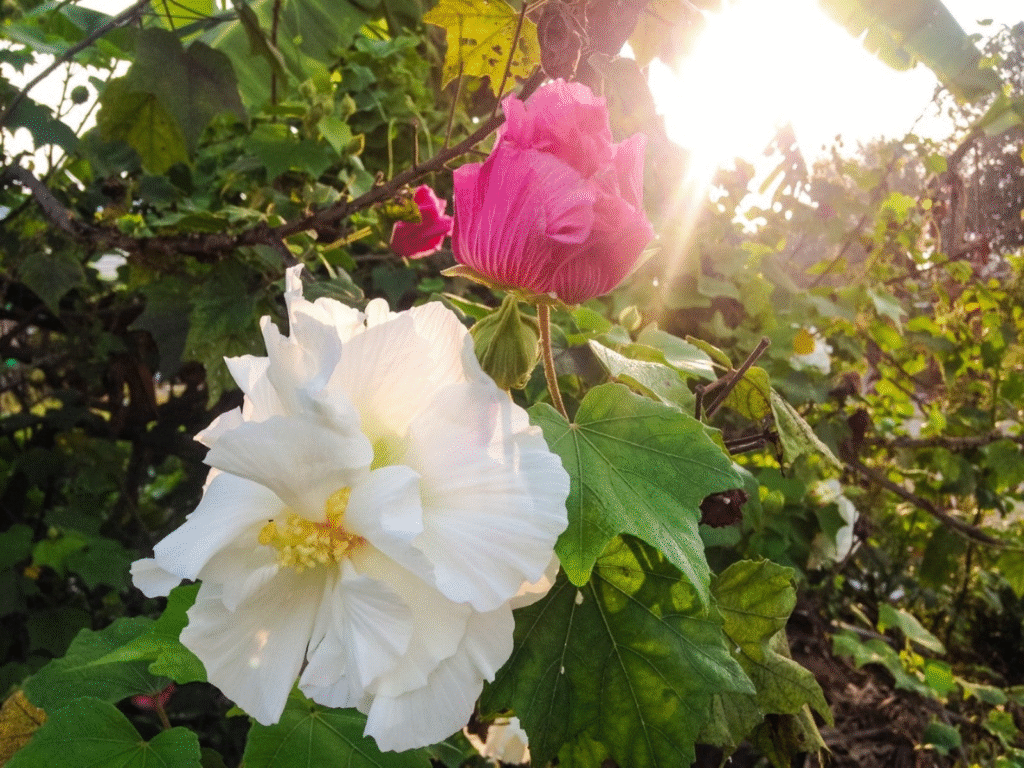
As flowers mature, pigment levels shift, causing colors to fade or deepen. Roses often darken as petals age, while morning glories lighten as the day progresses.
4. Plant Nutrition & Stress
Lack of phosphorus, high aluminum, or nutrient changes affect pigment production. Stress such as drought or excess sunlight can also cause noticeable color differences.
Flowers Famous for Changing Color
Several flowers are naturally known for color transformations. Here are the most iconic ones and why they shift shades.
Hydrangeas: Soil pH Magic
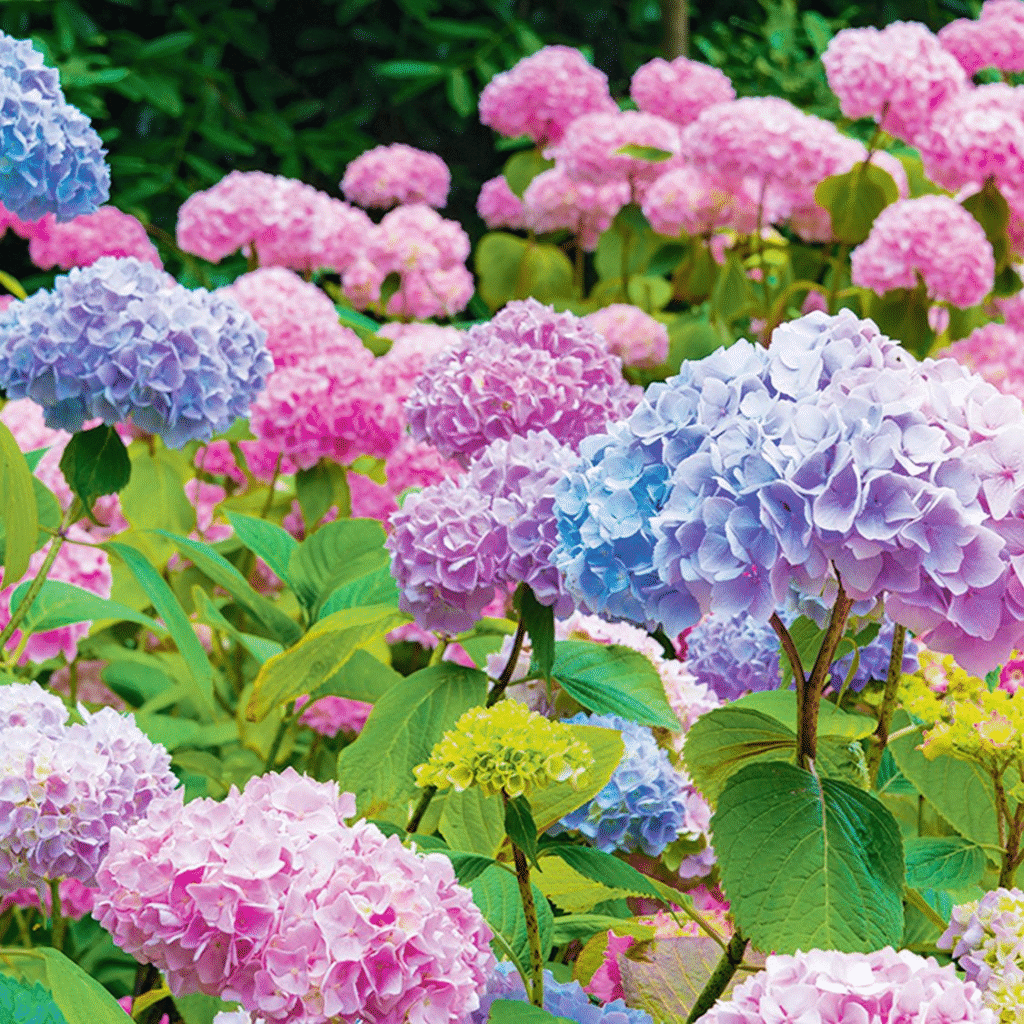
Hydrangeas are the most celebrated color-changing flowers. Their shifts depend entirely on soil chemistry:
- Acidic soil = blue flowers
- Alkaline soil = pink flowers
- Neutral soil = purple-toned blooms
Gardeners often intentionally adjust soil pH to control hydrangea color, making them one of the few flowers whose transformation can be engineered at home.
Morning Glories: Color That Shifts With the Sun
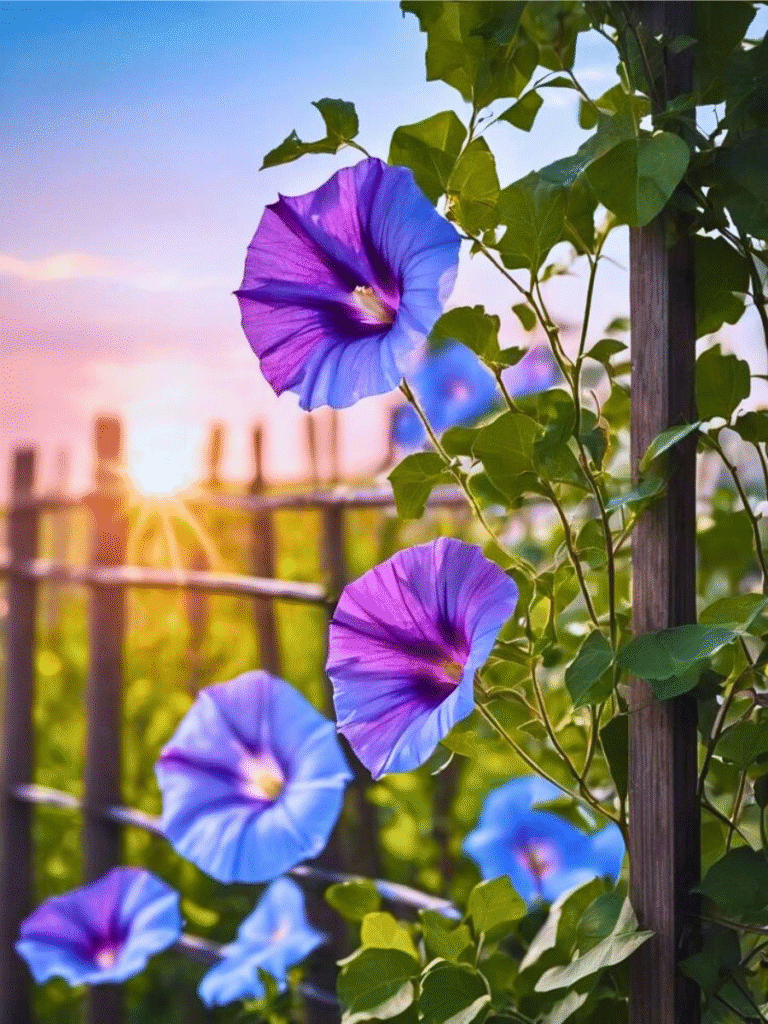
Morning glories bloom early with vibrant purple or blue petals. As the day heats up, the pH inside the petals rises, causing the flowers to fade to pink or white before closing in the afternoon. Their daily transformation is one of nature’s most delicate spectacles.
Hibiscus: Fade From Intense to Soft
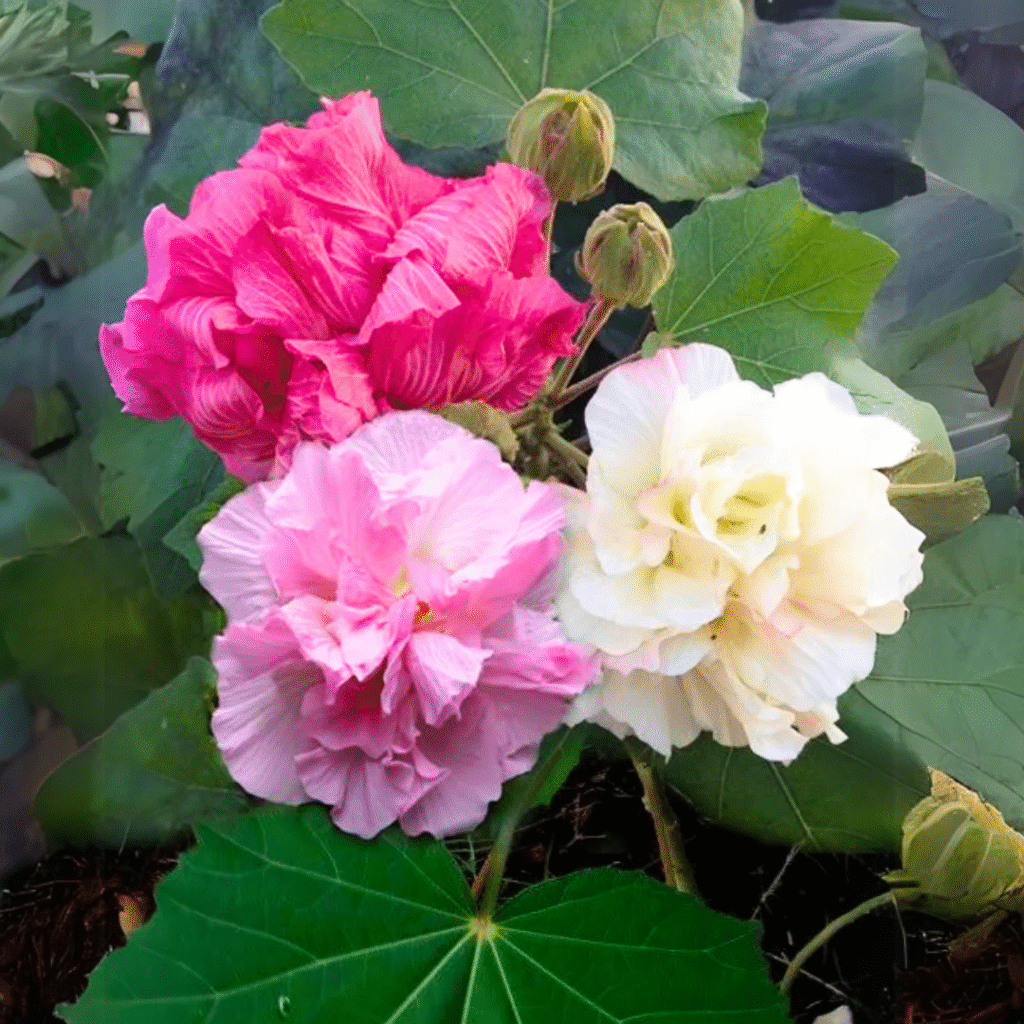
Many hibiscus varieties open with bold, saturated blooms that gradually fade over 24–48 hours. This is usually caused by pigment breakdown as the flower nears the end of its short-lived bloom cycle. Each bloom tells the story of its own lifespan.
Lantana: Multi-Colored Clusters With Meaning
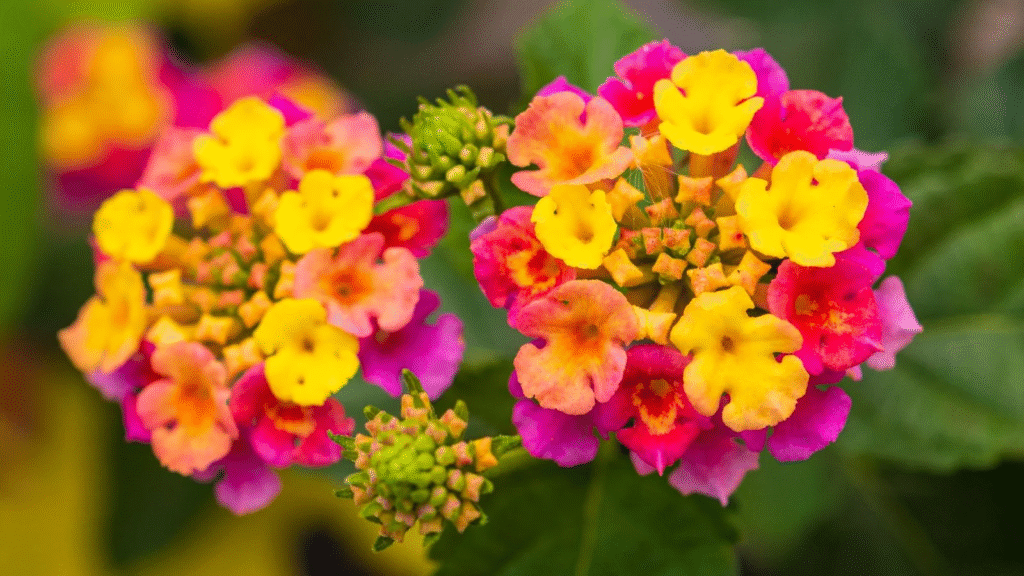
Lantanas are known for their tri-color clusters—often shifting from yellow to orange to red. These changes tell pollinators which flowers still have nectar. Younger blooms are lighter; older, pollinated ones deepen in color.
Nasturtiums: Temperature-Loving Chameleons
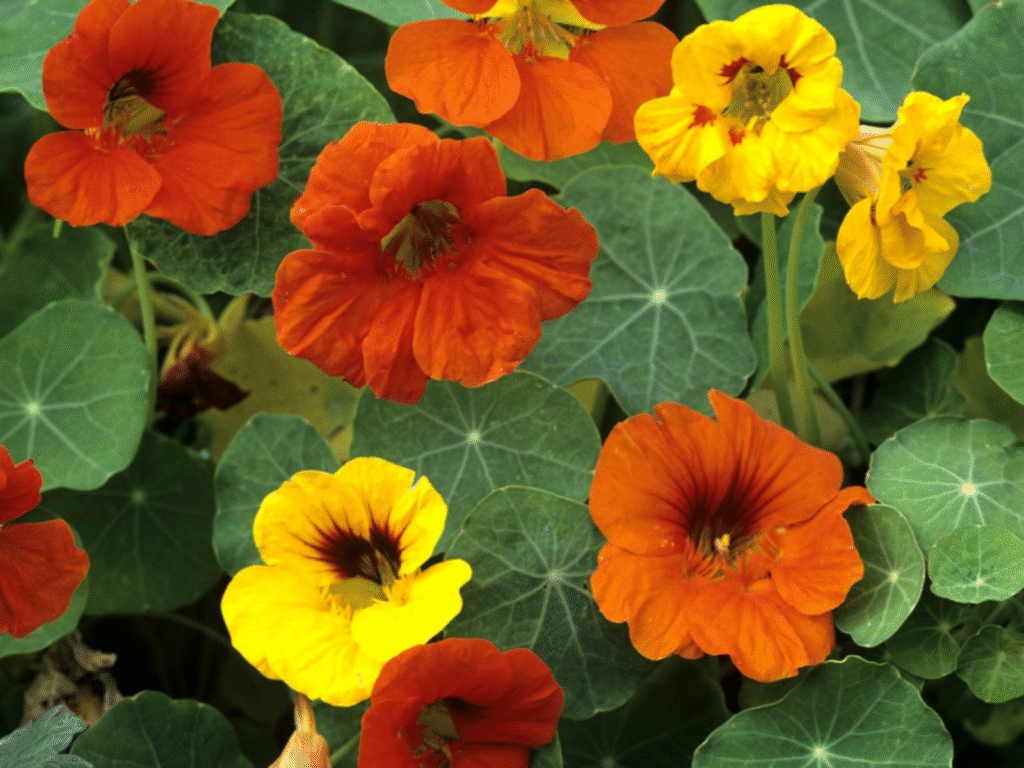
Nasturtium flowers can range from bright oranges to deeper reds depending on seasonal temperatures. Cooler months bring deeper hues, while heat encourages lighter shades.
Butterfly Bush (Buddleia): Gradual Color Evolution
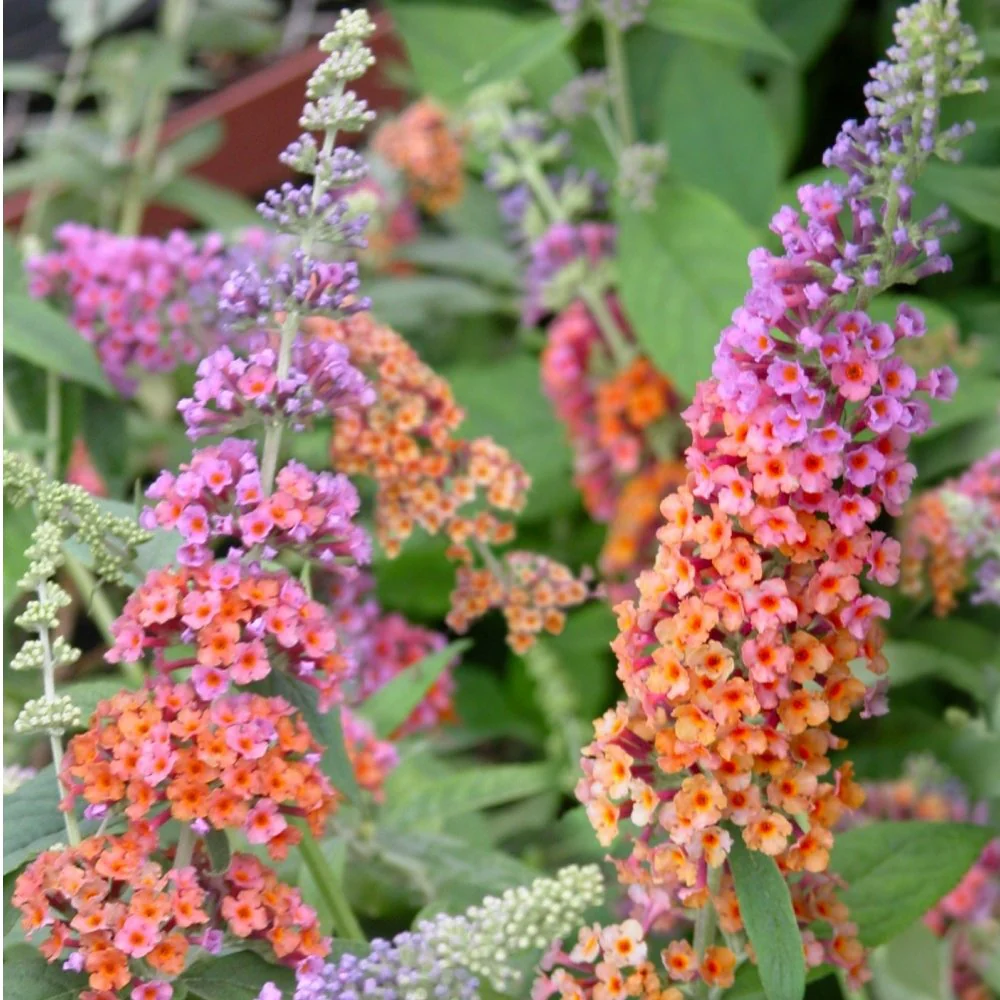
Buddleia flower spikes often show multiple colors at once. Flowers open one shade—often orange or pink—and fade to lavender, purple, or beige as they age, creating ombré-like clusters.
Why Understanding Color-Changing Flowers Matters to Gardeners
For gardeners, knowing why flowers change color can enhance plant care and aesthetic planning. Color-changing blooms:
- Help create dynamic, evolving garden displays
- Allow creative control over flower color through soil adjustments
- Offer visual cues about plant health, hydration, and nutrition
- Help gardeners predict bloom cycles and pollination stages
They can also spark conversation and bring magic to any outdoor space or floral arrangement.
Can You Influence Flower Color at Home?
Yes—sometimes. Especially in flowers whose color changes depend on soil chemistry or pH.
Hydrangeas
You can intentionally alter their color by adjusting soil:
- Add aluminum sulfate to turn flowers blue
- Add lime to shift flowers pink
Changes take time and depend on your climate and soil type.
Tulips, Roses, and Most Others
Their color changes are natural and cannot be controlled.
Light & Temperature
Ensuring cooler nights and moderate sunlight deepens pigment for many flowers.
The Evolutionary Advantage Behind Color Changes
Flower color changes aren’t random—nature designed them with a purpose. These transformations help plants thrive by:
- Attracting the right pollinators at the perfect time
- Signaling when resources are limited
- Conserving energy by discouraging unnecessary visits
- Adapting to environmental stress
These strategic shifts ensure the plant’s reproductive success and long-term survival.
The Aesthetic Appeal of Color-Changing Flowers
Beyond the science, color-changing flowers are simply enchanting. They bring drama and movement to gardens, offering:
- Evolving color palettes through the day or season
- Natural ombré effects on single stems
- Blooms that feel alive and interactive
- A touch of surprise in every flowering cycle
For designers and gardeners, they add depth, storytelling, and visual interest that static-color blooms can’t replicate.
Final Thoughts: The Magic of Color-Shifting Flowers
Flowers that change color as they bloom are one of nature’s greatest little mysteries. Their transformations are a blend of chemistry, evolution, and environmental adaptation. Whether influenced by soil pH, pollination status, sunlight, temperature, or age, these shifts reveal just how dynamic and intelligent the plant world truly is.
From the dramatic soil-driven shifts of hydrangeas to the daily transformations of morning glories and lantanas, color-changing flowers remind us that gardens are living, breathing ecosystems full of subtle signals and natural wonders.
Leave a Reply