How to Prevent Mold in Flower Arrangements
Keep cut flowers fresher for longer with practical ways to prevent mold, cloudy vase water and slimy stems, plus what to do if mold appears.
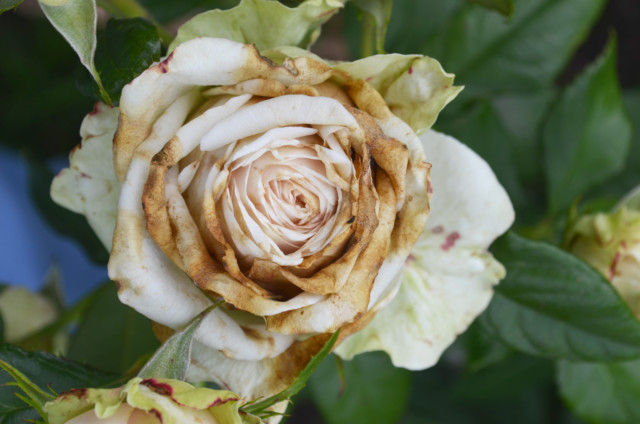
A bouquet can look perfectly fresh one day and develop cloudy water, slimy stems or fuzzy patches on the petals not long after. It is easy to blame all of this on “mold”, but several different things can be happening at once.
Cut flowers naturally begin breaking down after they are harvested. Leaves and damaged stem tissue can decay in the vase, microorganisms multiply in old water, and petals that remain damp for too long can become vulnerable to fungal growth. Dense arrangements and warm, humid rooms can make the problem worse.
The good news is that you usually do not need complicated flower-care tricks to prevent it. Clean equipment, fresh water, dry petals and regular removal of deteriorating material make the biggest difference.
The quick answer
To reduce the chance of mold developing in a flower arrangement, start with a thoroughly cleaned vase, remove all foliage that would sit below the waterline, use fresh water and commercial flower food when available, and keep the arrangement somewhere cool.
Check the bouquet every day. Remove fallen leaves and declining flowers promptly, and replace the vase water every few days rather than simply topping up increasingly dirty water. Penn State Extension similarly recommends clean vases, removing submerged foliage, using commercial floral preservative and periodically replacing the water.
If the flowers themselves are getting damp, pay attention to that too. Fungal diseases such as gray mold are more likely to become a problem when flowers remain wet and tightly packed together.
First, is it actually mold?
Not every unpleasant-looking vase problem is mold.
If the water has turned cloudy or the stems feel slippery, you are more likely dealing with a buildup of microorganisms and decomposing plant matter in the vase. If you see a fuzzy white, gray or brown growth directly on petals, leaves or stems, fungal growth is more likely.
You may notice several problems at the same time because the conditions that encourage one often encourage the others: old water, dying plant material, warmth and excess moisture.
Whatever the precise culprit, the immediate response is similar. Remove affected material, clean the container and give the remaining healthy flowers fresh water.
Start with a properly clean vase
A quick rinse is not always enough, particularly if the vase previously held another bouquet.
Residue can remain around the bottom, neck and sides of a container even when it looks clean from a distance. Before adding fresh flowers, wash the vase thoroughly with hot or warm soapy water and use a bottle brush or sponge to reach the inside.
Penn State Extension recommends washing vases with hot, soapy water before use and thoroughly rinsing them.
This is worth doing between every bouquet rather than waiting until a vase develops an obvious smell or film.
Clear glass vases have a practical advantage here: they make it much easier to spot fallen leaves, discoloured water and residue before the problem becomes obvious above the waterline.
Keep leaves out of the water
This is probably the easiest mistake to prevent.
When greenery, small side stems and leaves are submerged, they eventually begin to soften and decompose. That adds more organic material to the water and makes it harder to keep the vase clean.
Before arranging your flowers, look at where the waterline will sit and strip away anything that would be below it.
You do not need to remove every leaf from the bouquet. The aim is simply to have clean stems going into the vase rather than a mass of foliage sitting underwater. Both Penn State and the University of Minnesota Extension recommend removing leaves below the waterline when preparing cut flowers.
Change the water before it looks terrible
It is easy to wait until vase water smells unpleasant or looks murky before replacing it. By that point, the arrangement has already been sitting in poor conditions.
Instead, check the vase daily and replace the water completely every few days. Some bouquets may need it sooner, particularly if the water becomes cloudy or there is visible debris at the bottom.
When changing the water, remove the flowers, rinse the vase and clear away any fallen petals or leaves before refilling it. If you are using flower food, mix a fresh batch according to the instructions rather than continually topping up the original solution.
Penn State recommends checking the water level daily and completely replacing the water every few days.
In a very warm home, I would be even more attentive. There is little benefit in rigidly sticking to a schedule when the water is already visibly deteriorating.
Use flower food properly
Those small sachets that arrive with supermarket or florist bouquets are more useful than they look.
Commercial floral preservatives are designed to do several jobs at once. They provide carbohydrates to the cut flower, help manage the water’s acidity and contain ingredients intended to limit microbial growth. Penn State Extension recommends commercial flower food over homemade mixtures.
The important part is following the packet’s dilution instructions. More powder is not necessarily better.
I would also skip improvised recipes involving arbitrary spoonfuls of sugar, vinegar, aspirin or other kitchen ingredients. Sugar on its own is not a substitute for a properly balanced floral preservative and can create a very different environment in the vase.
If you have no flower food, clean water and good vase hygiene are more important than trying to invent one.
Recut stems when you refresh the arrangement
Cut stems do not remain in perfect condition for the entire life of a bouquet.
When you first bring flowers home, use clean, sharp scissors or floral snips to remove a little from the bottom of each stem before placing them in water. When you perform a full water change a few days later, recutting a small amount can also remove deteriorating tissue at the base of the stem.
Penn State recommends recutting stems with clean, sharp tools before placing flowers in the vase and rinsing and recutting them when the water is replaced.
Do not aggressively shorten the stems every day simply because you have heard that flowers must constantly be recut. Cleanliness and fresh water matter more than repeatedly reducing a bouquet until it barely fits the vase.
Keep the petals dry
There is an important difference between keeping the stems hydrated and keeping the entire bouquet wet.
Avoid regularly misting flowers unless there is a good species-specific reason to do so. Moisture trapped between tightly packed petals can create conditions in which fungal problems develop.
This becomes particularly relevant with large, layered blooms or dense arrangements where air cannot move easily between flowers.
Commercial cut-flower guidance from Penn State notes that packing damp flowers closely together can encourage Botrytis, commonly called gray mold.
If petals become wet while you are changing the water, there is no need to panic. Just avoid leaving the bouquet persistently damp.
Give crowded arrangements some breathing room
A dramatic bouquet packed with flowers can look beautiful, but flowers should not be compressed so tightly that damp petals remain pressed together for days.
If a bouquet is especially dense, gently repositioning a few stems can improve airflow without ruining the arrangement.
Pay particular attention to areas where petals overlap heavily or where large foliage traps moisture against flower heads.
You do not need a fan pointed at your flowers. Normal air movement in a reasonably ventilated room is enough; the goal is simply to avoid creating small pockets that stay warm and wet.
Keep flowers away from heat
Fresh cut flowers generally fare better in cooler conditions than in a hot sunny window.
Avoid placing your arrangement directly beside:
- sunny windows that become very warm
- radiators or heaters
- hot kitchen appliances
- strong heating vents
- other consistently hot areas of the room
Penn State advises keeping arrangements in a cool location away from direct sunlight and heat sources to prolong their life.
A bouquet does not need to live in darkness. You are simply trying to avoid unnecessary heat that speeds deterioration.
Remove declining flowers before they affect the rest of the arrangement
Mixed bouquets rarely age at exactly the same speed.
You may have carnations that still look excellent while a softer flower beside them has already collapsed. There is no reason to throw away the whole arrangement simply because one variety is finished.
Check the bouquet when you change the water. Remove flowers with badly browned or collapsing petals, mushy stems or obvious fungal growth. Also remove loose petals and leaves that have dropped inside the arrangement or vase.
This can leave you with a smaller arrangement after a week, but usually a much better-looking one.
In fact, rearranging the remaining flowers into a smaller vase is one of the easiest ways to extend the useful life of a mixed bouquet.
What should you do if mold has already appeared?
Do not simply wipe the visible patch away and put everything back as it was.
Remove the affected flower or plant material first. If fungal growth is extensive, that stem is usually better discarded than returned to the bouquet.
Then empty the vase completely, wash it thoroughly and inspect the remaining stems. Remove deteriorating foliage, recut the healthy stems if needed and refill the clean vase with fresh water and flower food.
If several flowers are heavily affected or the bouquet smells strongly of decay, it may simply be reaching the end of its vase life.
Flowers are perishable. Good care can slow deterioration, but it cannot reverse tissue that has already broken down.
What about flower arrangements made with floral foam?
Arrangements made in floral foam require slightly different care because you cannot simply lift all the stems out and scrub the container every few days.
The foam generally needs to remain adequately hydrated for fresh flowers, so the answer is not to let it dry out completely. Instead, focus on keeping the visible arrangement tidy.
Remove dying flowers and fallen leaves as soon as you notice them, avoid soaking the flower heads while adding water, and do not allow loose organic matter to accumulate around the foam.
If widespread mold develops through an older foam arrangement, replacing individual flowers may no longer be enough. At that point, the arrangement is likely past its best.
A simple routine that works
You do not need to fuss over a bouquet several times a day.
When flowers first arrive, clean the vase, remove underwater foliage, recut the stems and use properly mixed flower food. After that, check the water and remove failing material each day. Every few days, give the vase a proper clean, replace the water and reassess the stems.
That basic routine addresses most of the conditions that make cut-flower arrangements deteriorate quickly.
It also helps with something beyond mold prevention: vase life. How long an arrangement lasts varies substantially by flower type and by how the flowers were harvested, transported and stored before they ever reached your home. There is no single accurate lifespan for every bouquet.
Frequently asked questions
Why does my flower vase get moldy so quickly?
The combination of water, plant material and deteriorating flowers creates favourable conditions for microbial growth. Dirty containers, submerged leaves, old water and warm conditions can all make the problem appear sooner.
If you are repeatedly having trouble, start by scrutinising what is happening below the waterline rather than treating the petals.
Is cloudy flower water mold?
Not necessarily. Cloudiness is better treated as a warning that the water needs attention rather than proof that a particular fungus is present.
Replace the water, clean the vase, remove debris and inspect the stems.
Should I change flower water every day?
You do not necessarily need to replace perfectly clean water every day. Check the level daily and perform a complete water change every few days, or sooner if the water becomes cloudy or dirty.
Does flower food help prevent mold?
Commercial floral preservatives are formulated partly to control microbial growth in vase water while also supporting the flowers. They are generally preferable to improvised homemade mixtures when used according to the packet instructions.
Should I spray flowers with water to keep them fresh?
For a typical vase bouquet, constantly wetting the petals is unnecessary and may be counterproductive. Persistent moisture around densely packed flowers can create conditions more favourable to fungal disease. Keep the stems hydrated, but do not assume the blooms themselves need to remain wet.
Can I save a flower once mold appears on it?
If only one damaged petal is affected, you may be able to remove it and monitor the flower. If there is obvious fuzzy growth across the flower head or stem, I would remove the entire stem from the arrangement.
Trying to preserve one badly deteriorating flower is rarely worth compromising the rest of the bouquet.
The Flower Diary’s take
Most mold problems in flower arrangements are easier to prevent than to fix.
You do not need elaborate home remedies. A genuinely clean vase, no leaves sitting underwater, regular water changes, correctly mixed flower food and quick removal of dying material will take you a long way.
And if the petals themselves keep developing fuzzy patches, look beyond the vase water. A bouquet that stays damp, warm and tightly packed may need more airflow and a little less fussing with the spray bottle.
Cut flowers will eventually fade—that is part of having them in the house. The goal is not to keep them perfect indefinitely, but to give them the cleanest, healthiest conditions possible for the time they are with you.

The Flower Diary
The Flower Diary editorial team writes practical guides to flowers, care, symbolism and arranging.