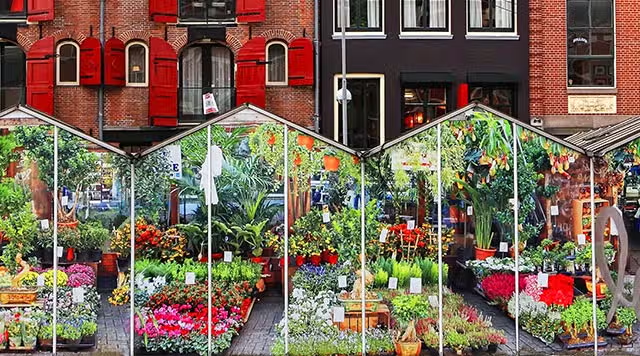
Flowers are often seen as simple gifts of beauty—romantic gestures, celebratory bouquets, or fragrant additions to the home. But in the world of luxury, certain flowers exceed their humble origins and become rare, coveted objects worth thousands—even millions—of dollars. These blooms are prized not just for their beauty, but for their scarcity, unique growing conditions, cultural significance, and the extraordinary lengths required to cultivate them.
From elusive orchids to century-old bonsai trees, this guide explores the most expensive flowers ever sold and the fascinating stories behind them. Each bloom is a reminder that, in the world of nature and luxury, rarity is everything.
Why Some Flowers Fetch Extraordinary Prices
Most flowers are affordable and accessible, but a select few command jaw-dropping figures due to a combination of rarity, labor-intensive cultivation, historical value, and market demand.
Several factors influence a flower’s price:
Rarity of species – Some flowers bloom only once a year, once a decade, or in extremely specific climates.
Difficulty of cultivation – Fragile flowers or those requiring highly controlled environments cost more to grow.
Length of time to mature – Some orchids or bonsai plants take decades to reach peak value.
Cultural and historical significance – Flowers associated with tradition, status, or mythology often command higher prices.
Auctions and collector markets – Like fine art, rare flowers sometimes sell to collectors willing to pay premium prices.
These factors converge to create some of the most astonishingly expensive flowers in the world—natural masterpieces with value far beyond their petals.
1. Shenzhen Nongke Orchid — $200,000
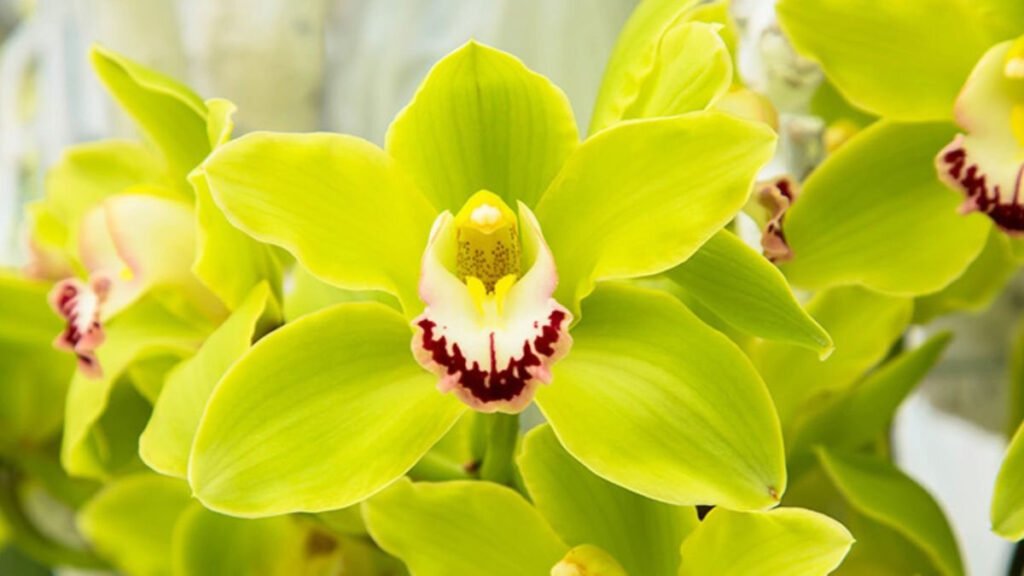
The Shenzhen Nongke Orchid is widely recognized as the most expensive flower ever sold, fetching an astonishing $200,000 at auction in 2005. What makes this orchid so extraordinary is that it wasn’t discovered in the wild—it was engineered by scientists.
Developed by researchers at the Shenzhen Nongke University in China, this orchid took eight years to cultivate. Every aspect of its growth was carefully monitored, making it one of the most meticulously bred flowers in history. The orchid blooms only once every four to five years, adding to its mystique and rarity.
At auction, collectors were captivated not only by its beauty but also by its scientific prestige. The winning bidder secured a flower unlike any other—one that represented the intersection of art, science, and nature.
2. Kadupul Flower — Priceless (Literally)
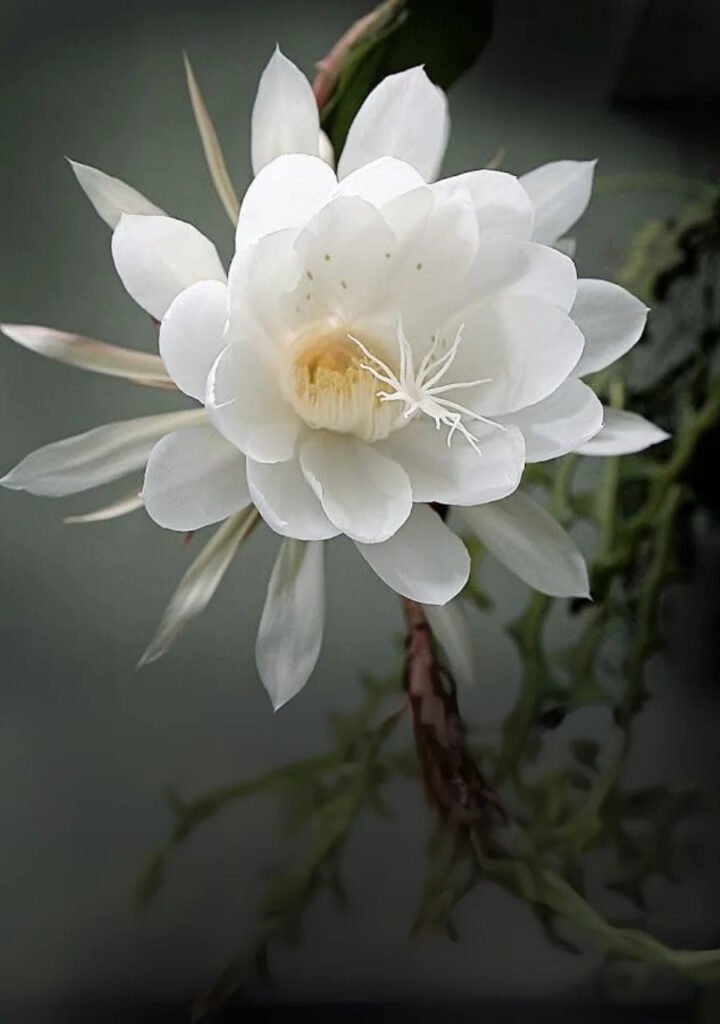
The Kadupul flower, native to Sri Lanka, is often described as the most expensive flower in the world, even though it has never been sold. Its value is considered infinite because the flower is impossible to purchase due to its extreme fragility.
Also known as the “Queen of the Night,” the Kadupul blooms only once a year, after midnight, and wilts before dawn. It cannot be picked or transported without immediate decay, making commercial harvesting impossible. Its ethereal beauty and rarity have made it an object of spiritual significance in Buddhist culture, where it is associated with purity and enlightenment.
The Kadupul’s true value lies not in its price tag but in the idea that some natural wonders simply cannot be possessed—only witnessed.
3. Juliet Rose — $15 Million (Development Cost)
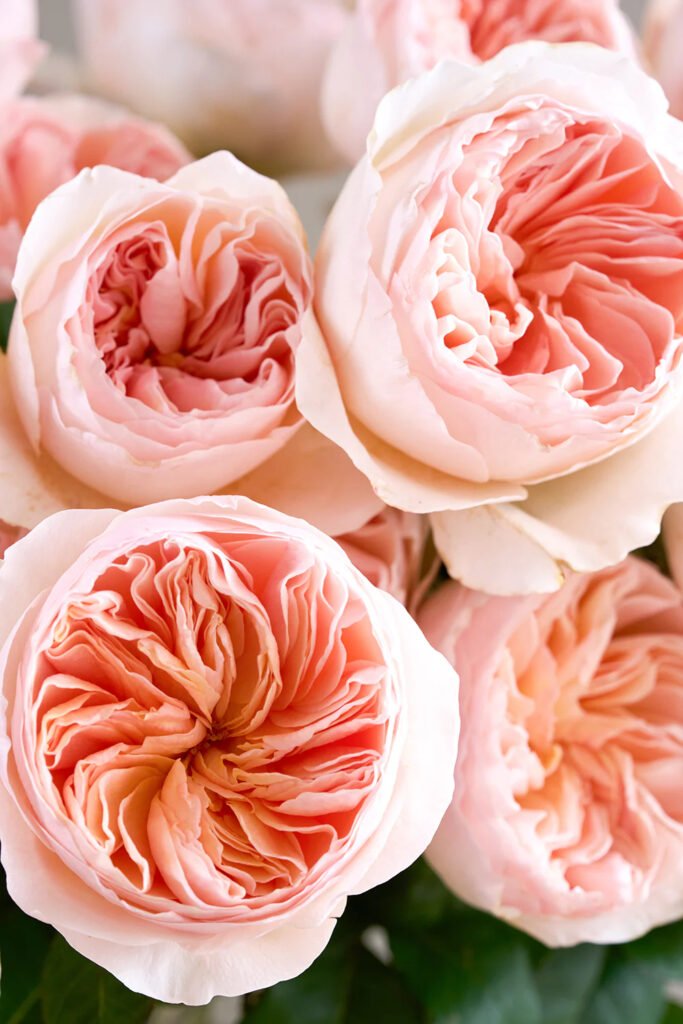
The Juliet Rose is often called the “$15 million rose,” not because it sold for that amount, but because it cost $15 million and 15 years to develop. Created by famed English breeder David Austin, the Juliet was unveiled at the 2006 Chelsea Flower Show and instantly became a sensation.
Its soft peach petals, cupped shape, and romantic fragrance made it one of the most sought-after roses in the world. It quickly became a favorite in luxury weddings and editorial floral arrangements.
While the rose itself sells for standard premium-rose prices, the staggering cost to create it makes the Juliet one of the most expensive flowers ever developed.
4. Gold of Kinabalu Orchid — $5,000 per stem
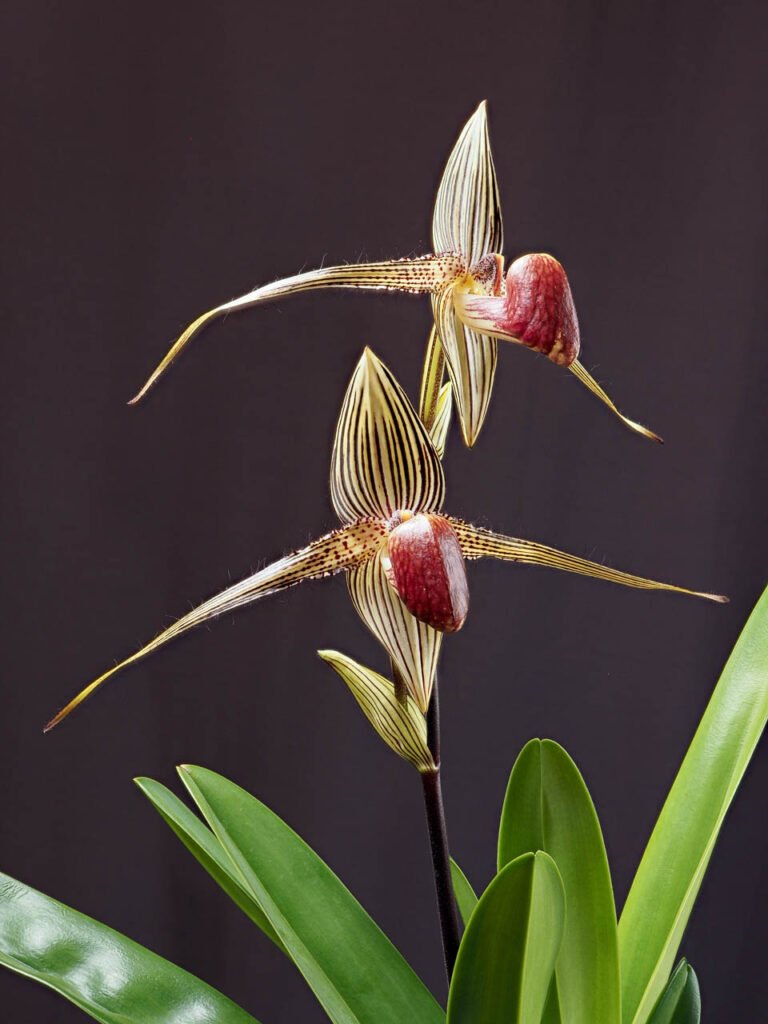
Found only in a single location—Kinabalu National Park in Borneo—the Gold of Kinabalu Orchid is one of the rarest orchids on Earth. Locals call it “the Rothschild’s Slipper Orchid,” and it blooms only from April to May under extremely specific conditions.
This orchid’s rarity and beauty allow it to command prices up to $5,000 per stem on the black market, though harvesting it illegally is punishable by law. Its endangered status and limited habitat make legal cultivation incredibly difficult.
The orchid’s tall, elegant petals marked with distinct green stripes make it instantly recognizable and highly coveted by collectors willing to pay extraordinary prices for a single bloom.
5. Saffron Crocus — Up to $5,000 per pound
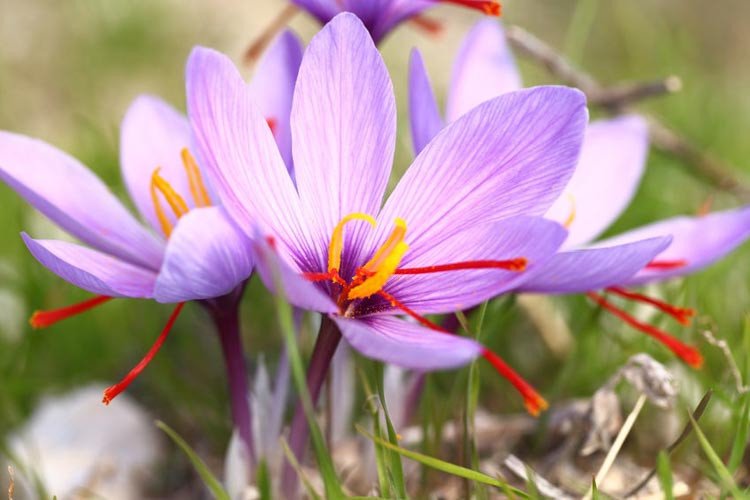
While not purchased as a cut flower, the saffron crocus is one of the most expensive flowering plants due to its valuable stigma, which is used to produce saffron spice.
It takes 75,000 flowers to produce a single pound of saffron, each harvested by hand. This manual labor, coupled with the delicate nature of the crocus, results in prices reaching up to $5,000 per pound of saffron threads.
The crocus flower itself is beautiful—lavender petals with a vivid red center—but it’s the painstaking process of extraction that elevates its value. As both a spice and a floral product, saffron remains unmatched in price and global demand.
6. Roses Bred for Dubai — $3,000 per bouquet
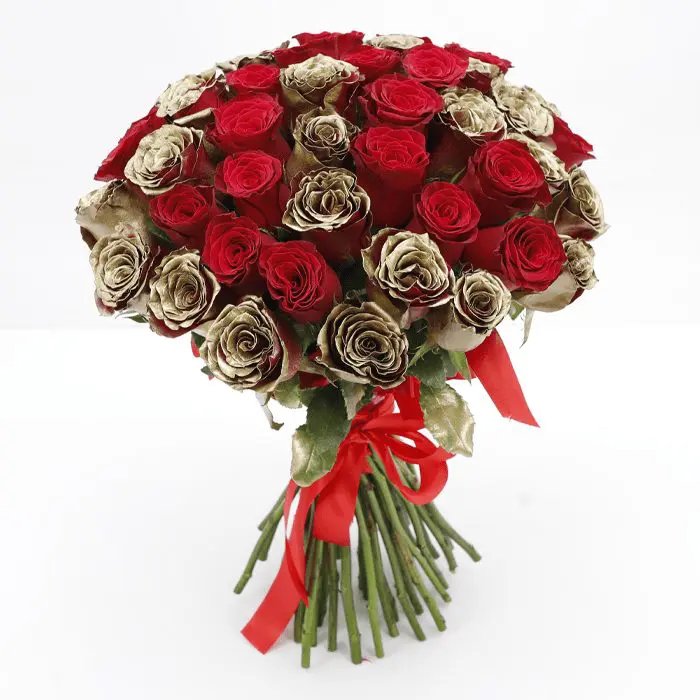
Dubai’s luxury flower market has given rise to some of the most extravagant rose varieties ever created. These roses are either genetically bred for unusual colors or infused with real gold particles, placing them firmly in the ultra-luxury category.
Limited-edition bouquets featuring these roses can cost up to $3,000, especially if adorned with gold foil, Swarovski crystals, or rare color gradients. These blooms are popular for royal events, celebrity gifting, and luxury weddings where exclusivity is key.
Unlike naturally rare flowers, Dubai’s luxury roses represent a fusion of horticulture and high-end design, turning traditional blooms into status symbols.
7. Hydrangea Varieties — Up to $600 per stem (Limited Editions)
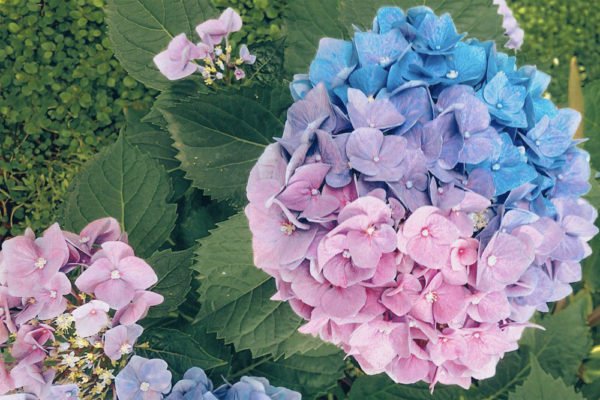
Hydrangeas are generally accessible and popular, but certain limited-edition or breeder-exclusive varieties can cost hundreds of dollars per stem. These hydrangeas often feature unique color morphs, giant petal heads, or rare pastel gradients that appeal to collectors and luxury event designers.
Some of these special varieties are grown in restricted quantities or under controlled conditions, making them difficult to obtain. High-end florists often pre-book entire crops for weddings or photoshoots, driving prices even higher.
While not as rare as orchids or peonies, hydrangeas demonstrate how selective breeding and demand can turn everyday flowers into luxury items.
8. King Protea — Up to $150 per stem
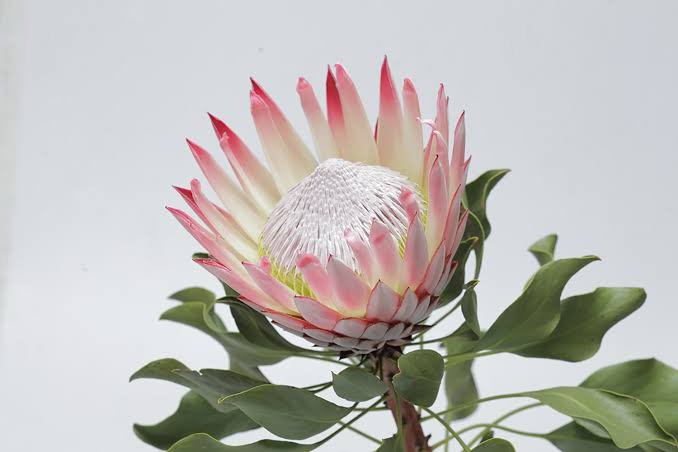
Native to South Africa, the King Protea is prized for its dramatic size, geometric beauty, and sculptural form. It’s one of the most visually striking flowers in the world and a favorite in luxury editorial arrangements.
Though not as rare as orchids, the King Protea is expensive due to:
- Its slow growth cycle
- Limited global cultivation
- Difficulty transporting its large, delicate bloom
Premium stems can cost up to $150, especially during off-season months or in regions where they must be imported.
Its bold, architectural appearance makes it a statement flower in high-end design.
9. Lily of the Valley — Up to $500 per bouquet
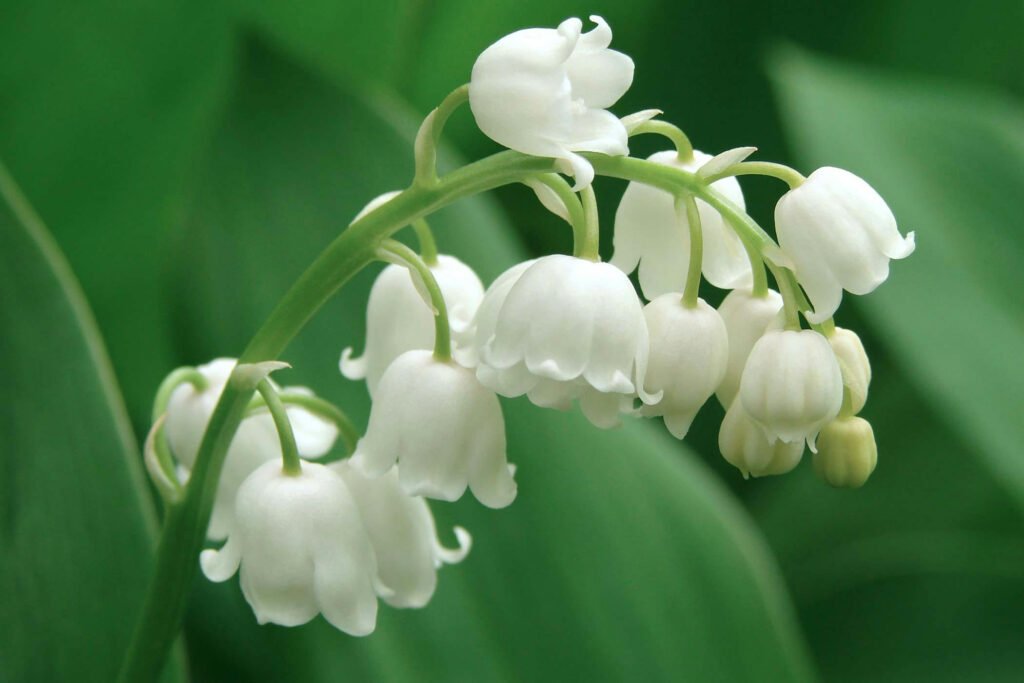
Lily of the Valley may look delicate, but its price is far from modest. This fragrant spring flower has an extremely short blooming window and is notoriously difficult to grow commercially. Because of its fragile stems and specific climate requirements, it is expensive to cultivate and harvest.
Royal weddings—including Kate Middleton’s—helped boost demand, raising prices even higher. Simple bouquets made entirely of Lily of the Valley can cost up to $500 or more, depending on availability.
Their symbolism of sweetness, purity, and good fortune makes them meaningful for weddings, but their rarity makes them costly luxury blooms.
10. Gloriosa Lily — Up to $10 per stem (and often smuggled)
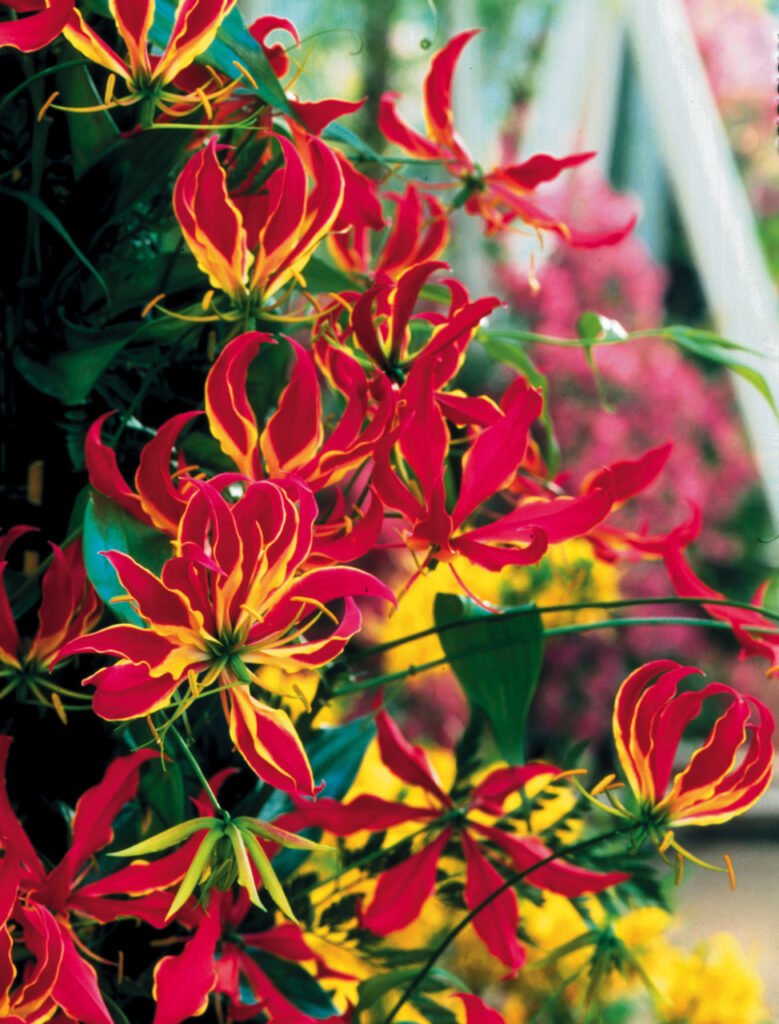
The Gloriosa Lily is a striking, flame-like flower native to parts of Africa and Asia. While individual stems sell for around $10, its true value lies in its rarity and exotic appeal. Because the plant contains toxic compounds, it cannot be widely cultivated or transported without regulations, leading to illegal smuggling.
Collectors and florists in regions without access often pay significantly higher prices—sometimes more than $100 per vine—highlighting how scarcity influences cost.
Its dramatic curling petals and vivid colors make it a favorite for luxury bouquets and editorial designs.
Honorable Mentions: Rare Flowers with High Historical or Botanical Value
Several flowers may not top auction charts but still hold extraordinary value due to their rarity or cultural importance:
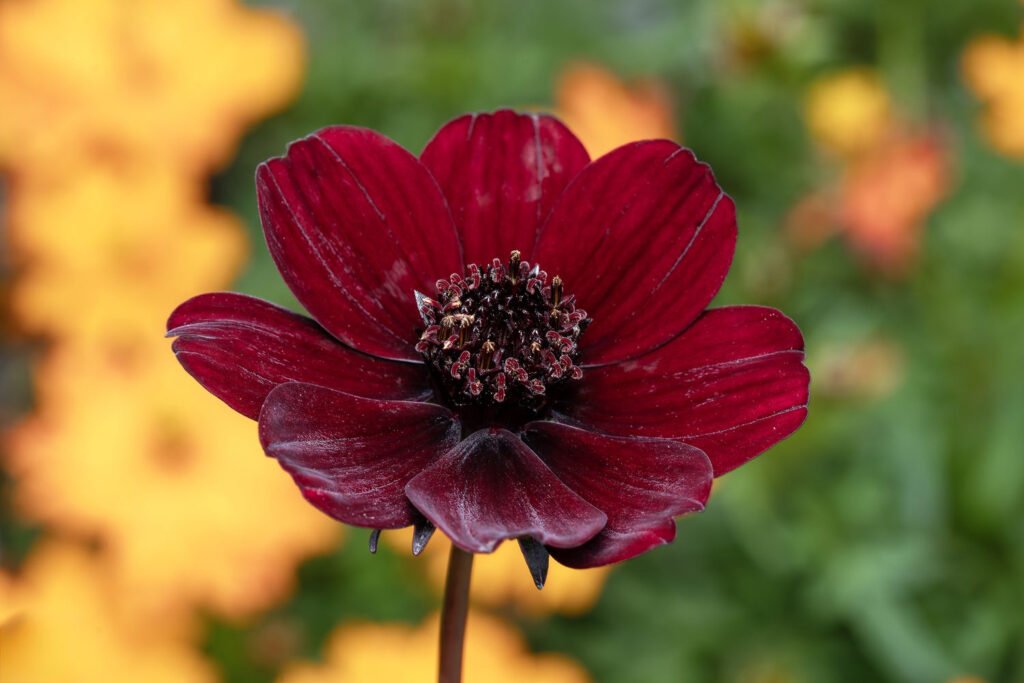
Chocolate Cosmos — Extinct in the wild; valued for its deep brown color and cocoa scent.
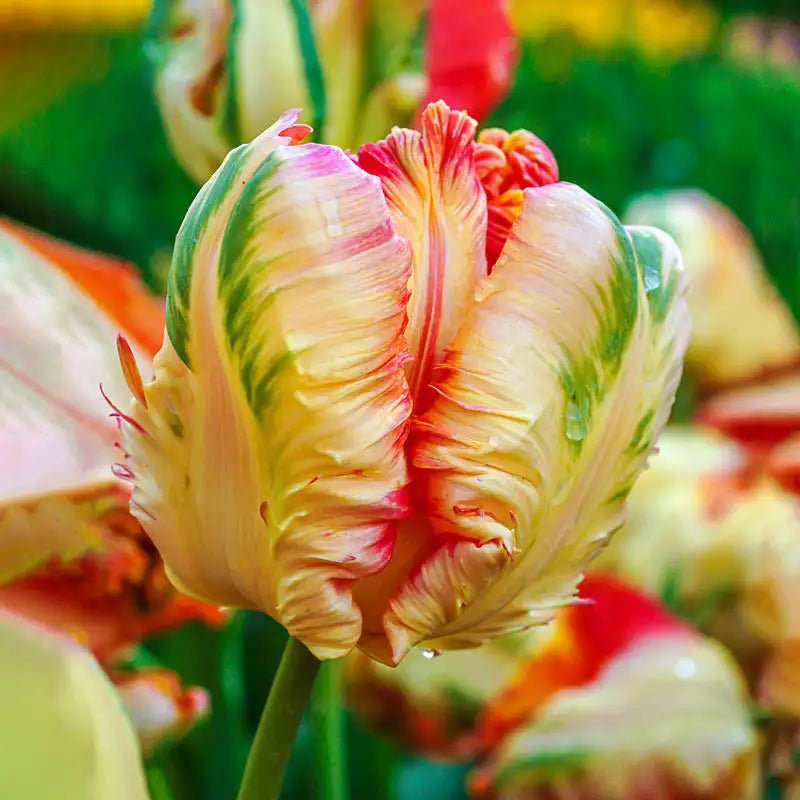
Parrot Tulips — Rare varieties can fetch premium prices during tulip season.
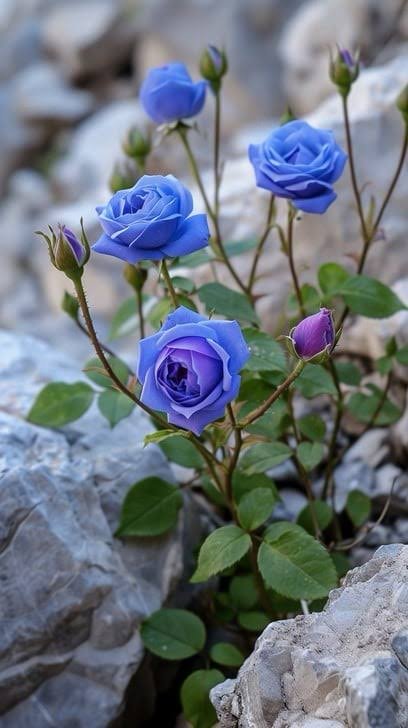
Blue Roses (Engineered) — Created through genetic modification and sold at high novelty prices.
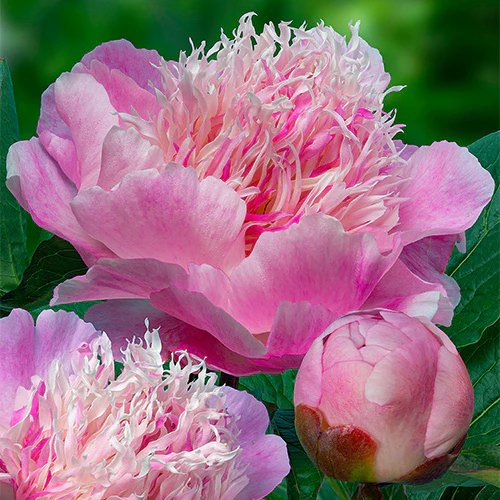
Japanese Peonies — Premium varieties can cost hundreds per stem in Asia.
40-Year-Old Orchid Specimens — Mature orchids with rare variegation can sell for thousands.
These flowers highlight the intersection of horticulture, culture, and economics—where rarity meets human desire.
What These Flowers Tell Us About Luxury and Nature
The world’s most expensive flowers reveal as much about human fascination as they do about botany. Some represent scientific breakthroughs. Others reflect centuries of cultural tradition. Some owe their value to extreme rarity, while others result from artistry, patience, and painstaking cultivation.
More importantly, these high-priced blooms remind us that beauty can have extraordinary value—especially when it is fleeting, fragile, or difficult to obtain. Like art, gemstones, or vintage wine, flowers can become symbols of prestige and exclusivity.
Final Thoughts: The True Value of Rare Flowers
Whether it’s a $200,000 orchid or a priceless night-blooming miracle, the world’s most expensive flowers show how nature can surpass even the finest man-made luxuries. These blooms represent craftsmanship, science, time, rarity, and cultural reverence. Their value lies not only in their price tags but in the stories they carry—the years of breeding, the journey through endangered habitats, the scientific innovation, or the spiritual symbolism behind their existence.
For flower lovers, collectors, or anyone fascinated by the luxury world, these rare blooms offer a glimpse into the astonishing intersection between nature and human desire. They remind us that even in a world of synthetic materials and mass production, nothing compares to the majestic, ephemeral beauty of a truly extraordinary flower.