Birth Month Flowers & Their Meanings: A Complete Guide to Nature’s Personal Symbols
Each bloom carries centuries of cultural symbolism and seasonal significance, making it more than just a pretty gift—it becomes a message.

Birthstones often get all the attention—but birth month flowers tell equally beautiful, meaningful stories. In fact, for centuries, different cultures have linked certain flowers with months of the year, weaving symbolism, folklore, and emotion into each bloom. Whether you’re choosing a birthday bouquet, writing a heartfelt card, or simply curious about the deeper meaning behind your birth month, understanding these floral symbols adds a thoughtful, personal touch.
This guide walks you through each birth month flower, what it represents, and how you can incorporate these blooms into gifts, gardening, and celebrations throughout the year.
Why Birth Month Flowers Matter
Flowers communicate emotions in ways words sometimes can’t. Birth month flowers offer:
- A personalized alternative to birthstones
- A meaningful way to celebrate loved ones
- Symbolic messages rooted in history and culture
- Beautiful themes for birthday bouquets, décor, and keepsakes
From January’s resilient carnation to December’s festive holly, each flower is chosen for the stories and symbolism that align perfectly with its month.
Birth Month Flowers & Their Meanings
January — Carnation & Snowdrop

Carnation Meaning: Love, admiration, devotion
Snowdrop Meaning: Hope, purity, renewal
Carnations are one of winter’s hardiest flowers, blooming brightly when most plants are dormant. Their resilience makes them a perfect match for January personalities—strong, loving, and dependable. Snowdrops push through the cold with quiet determination, symbolizing new beginnings and the promise of brighter days.
Best For: New-year celebrations, friendship bouquets, meaningful tokens of encouragement.
February — Violet & Primrose

Violet Meaning: Loyalty, wisdom, faithfulness
Primrose Meaning: Young love, protection
Violets have long been associated with humility and deep affection, appearing in poetry and folklore across Europe. Primroses, one of the first flowers to bloom in spring, symbolize the soft glow of young love and the tenderness of relationships.
Best For: Romantic gestures, sentimental gifts, and celebrating deep emotional bonds.
March — Daffodil

Meaning: Rebirth, resilience, hope
Few flowers capture spring’s arrival like daffodils. Their bright yellow trumpets symbolize optimism, cheerfulness, and the beauty of new beginnings. In many cultures, daffodils are believed to bring good fortune when given in bunches.
Best For: Spring birthdays, uplifting messages, and fresh starts.
April — Daisy & Sweet Pea

Daisy Meaning: Innocence, purity, joy
Sweet Pea Meaning: Gratitude, delicate pleasure
Daisies are fresh, simple, and universally cheerful—perfect for celebrating sincere friendships and playful personalities. Sweet peas, on the other hand, offer a sweet fragrance and a gentle way of saying “thank you.”
Best For: Friendship bouquets, gratitude gifts, or anything bright and joyful.
May — Lily of the Valley & Hawthorn

Lily of the Valley Meaning: Sweetness, humility, happiness
Hawthorn Meaning: Hope, fertility, protection
Highly fragrant and delicately bell-shaped, Lily of the Valley is a May classic known for symbolizing the return of happiness. Hawthorn blossoms represent protection and renewal, making them the perfect companion flower for the month of spring abundance.
Best For: Mother’s Day, romantic gestures, new life celebrations.
June — Rose & Honeysuckle

Rose Meaning: Love, passion, gratitude
Honeysuckle Meaning: Devotion, affection, sweetness
Roses are June’s queen flower, representing love in its purest and boldest form. Honeysuckle adds a deeper layer of intimacy and enduring affection.
Best For: Romantic birthdays, wedding themes, anniversaries.
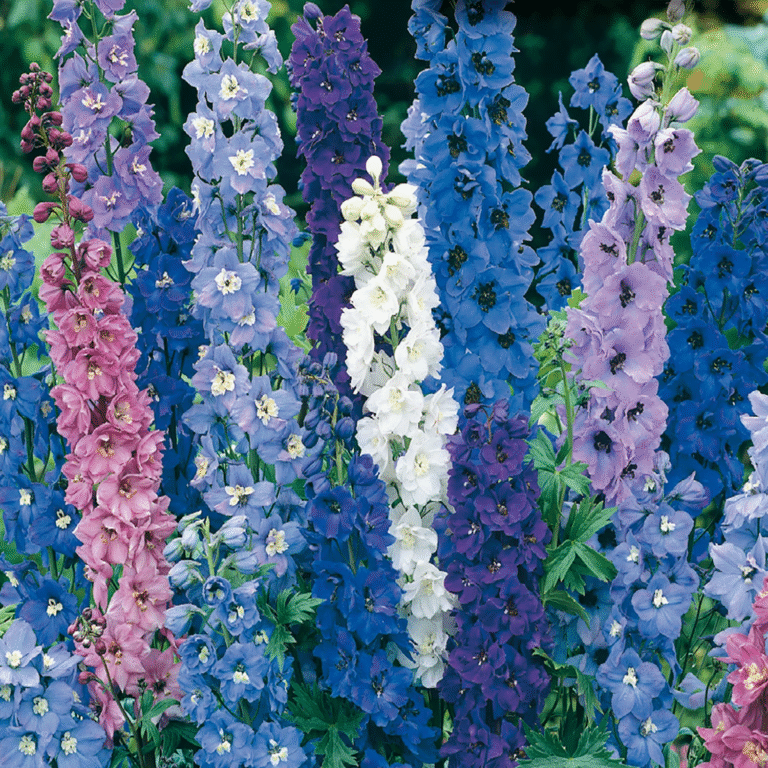
July — Larkspur & Water Lily

Larkspur Meaning: Positivity, laughter, openness
Water Lily Meaning: Enlightenment, purity, peace
Larkspur blooms in tall, airy spikes, symbolizing lightness and easy-going charm. Water lilies float serenely on ponds, embodying calmness and spiritual beauty—ideal for someone with depth and grace.
Best For: Free spirits, artistic personalities, and those who bring lightness to any room.
August — Gladiolus & Poppy

Gladiolus Meaning: Integrity, strength, sincerity
Poppy Meaning: Peace, remembrance, imagination
Gladiolus, with its sword-like leaves, represents strength of character and unwavering loyalty. Poppies vary in meaning across cultures, but commonly symbolize creativity, comfort, and peaceful rest.
Best For: Bold personalities, leaders, and creative dreamers.
September — Aster & Morning Glory

Aster Meaning: Wisdom, love, faith
Morning Glory Meaning: Renewal, affection, resilience
Asters, resembling star-shaped daisies, symbolize deep emotional connections and intelligence. Morning glories open at sunrise and close by afternoon, representing the beauty of new beginnings and fleeting moments.
Best For: Thoughtful individuals, introspective friends, lifelong learners.
October — Marigold & Cosmos

Marigold Meaning: Passion, determination, creativity
Cosmos Meaning: Harmony, peace, order
Marigolds bring fiery autumn color and rich symbolism tied to remembrance and celebration. Cosmos flowers, with their balanced petals, embody calm and simplicity.
Best For: Vibrant personalities, autumn lovers, and anyone who radiates warmth.
November — Chrysanthemum

Meaning: Happiness, loyalty, longevity
Chrysanthemums are deeply symbolic around the world, especially in Asia where they represent long life and well-being. Their long blooming season makes them a symbol of resilience and joy even in colder weather.
Best For: Celebrating gratitude, honoring strong relationships, and seasonal arrangements.
December — Narcissus & Holly

Narcissus Meaning: Hope, rebirth, good fortune
Holly Meaning: Protection, joy, celebration
Narcissus (often represented by the paperwhite flower for December) symbolizes renewal and optimism—fitting for the end of a year and the anticipation of a new one. Holly’s evergreen leaves and red berries represent festive cheer and protection.
Best For: Holiday birthdays, winter celebrations, good-luck gifts.
How to Use Birth Month Flowers in Gifts & Celebrations
1. Personalized Birthday Bouquets
Create a bouquet featuring the recipient’s birth flower—bonus points for combining it with complementary flowers in similar color families.
2. Floral-Themed Jewelry & Keepsakes
Pressed flowers, engraved petals, botanical illustrations, and floral resin pieces make timeless, meaningful gifts.
3. Garden Gifts
A potted version of someone’s birth flower (like a rose bush, chrysanthemum, or daffodil bulbs) is a gift that keeps giving year after year.
4. Birthday Cards with Symbolism
Add a handwritten note explaining the meaning behind the flower—it adds emotional depth and personalization.
Final Thoughts: A Beautiful Way to Celebrate Every Birthday
Birth month flowers offer a poetic, thoughtful way to honor someone’s special day. Each bloom carries centuries of cultural symbolism and seasonal significance, making it more than just a pretty gift—it becomes a message.
Whether you’re gifting a January carnation, a June rose, or a December narcissus, these flowers remind us that every month has its own beauty, story, and meaning. And by choosing a birth month flower, you’re celebrating not just a birthday—but a unique personality, a heartfelt sentiment, and a timeless tradition rooted in nature.

The Flower Diary
The Flower Diary editorial team writes practical guides to flowers, care, symbolism and arranging.