Flower Library · 75% profile
Iris
Iris spp.
Iridaceae · perennial
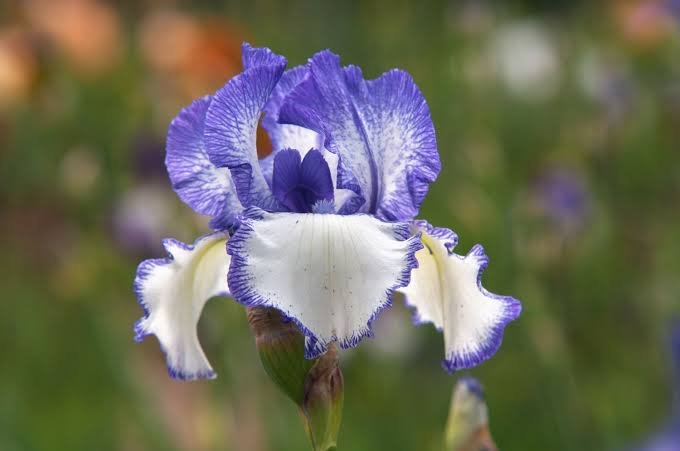
Architectural flowers with distinctive falls and standards, often in blue-violet tones.
Fact-checked September 23, 2026
SeasonSpring
ColoursBlue, purple, white, yellow
LightFull sun
WaterDepend entirely on the specific variety you are growing
Care levelModerate
Vase life3–6 days
FragranceLight
Best forGraphic arrangements, spring bouquets
Architectural flowers with distinctive falls and standards, often in blue-violet tones.
About this flower
This Flower Diary entry is designed as a practical starting point. Flowering time, colour, vase life and growing behaviour can vary by cultivar, climate and handling.
Using it in arrangements
Consider the flower’s scale, form, season and colour alongside the rest of your arrangement. Local availability may differ from natural bloom season because commercial flowers can be greenhouse-grown or imported.
Botanical identity
- Family
- Iridaceae
- Genus
- Iris
- Native range / origin
- Northern Hemisphere
- Distribution & cultivation
- Irises are naturally distributed throughout the temperate zones of the Northern Hemisphere. Their range spans from Europe and the Mediterranean across Asia, the Middle and Far East, North Africa, and North America.
Flower characteristics
- Flower form
- six-lobed, symmetrical shape
- Bloom size
- 1 to 10 inches (2.5 to 25 cm)
- Typical bloom period
- spring and early summer (April to July
- Fragrance
- Light
- Fragrance notes
- earthy, woody, powdery, reminiscent of boiled carrot
Growing & garden care
- Light
- Full sun
- Water
- depend entirely on the specific variety you are growing
- Soil
- loose, fertile, and well-draining soil
- Soil pH
- neutral to slightly acidic pH between 6.0 and 7.0
Floristry & cut-flower notes
- Commercial availability
- year-round
- Vase life
- 3–6 days
- Best uses
- graphic arrangements, spring bouquets
Meaning, gifting & culture
- Common meanings
- hope, wisdom, courage
- Gifting occasions
- birthday, congratulations, sympathy
- Birth month associations
- February
- Anniversary associations
- 25th wedding anniversary (the silver anniversary) & 45th wedding anniversary
Safety & handling
- Pet safety
- Toxic
- Toxicity notes
- Iris plants are toxic to cats, dogs, and horses, with the highest concentration of harmful compounds found in the underground bulbs and rhizomes.
- Edibility
- Some culinary use
- Handling notes
- All parts of the iris plant are toxic, but the roots and rhizomes carry the highest concentration of irritating compounds. When handling irises, the primary risk comes from the plant's sap, which contains compounds like irisin, iridin, and pentacyclic terpenoids.